Pillow Filling Machine Applications: From Bedding to Down Jackets and Pet Products
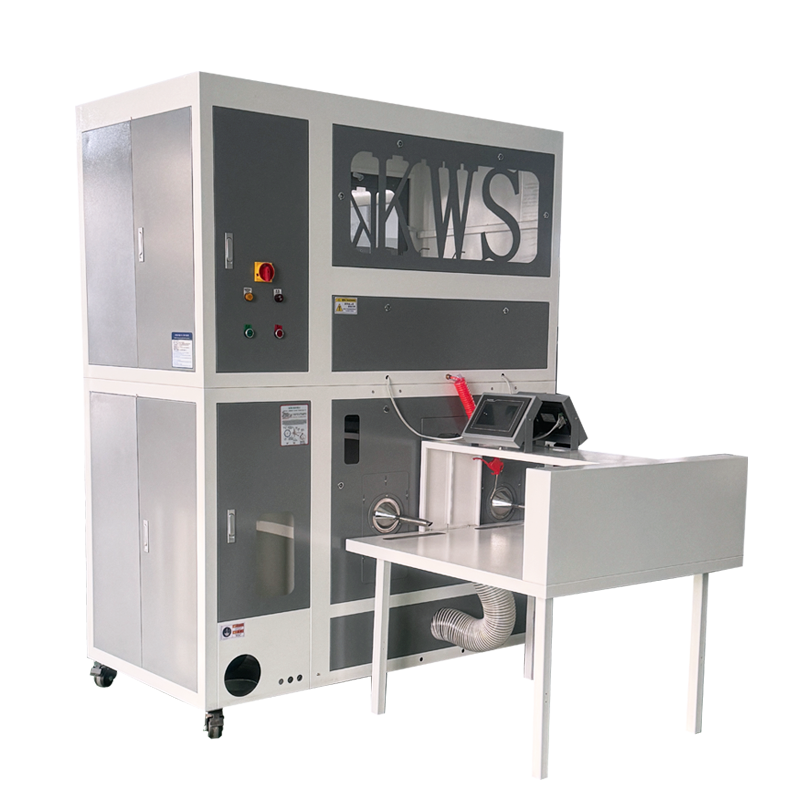
A pillow filling machine is not a single-purpose asset. The KIVAS KWS6901-2 and KWS6901-4 automatic quantitative filling machines are used across bedding, down apparel, plush toys, pet products, cushions, lazy sofas, and beanbags, because every one of those products depends on the same production step: weighing an exact mass of loose fill and blowing it into a closed shell.
What changes between applications is not the mechanical principle. It is the fill material behaviour, the target fill weight, and the way the filling ports are used at the workstation. Those three variables decide whether a bedding producer can add pet cushions on the same platform, or whether a down jacket workshop can run duvet filling between apparel batches.
This application guide is written for buyers in the awareness and research stage. It maps the main product families onto one filling architecture, shows where the platform's limits actually sit, and lists the checks that matter before a purchase decision.
The Real Problem: Filling Capacity Is Usually Bought One Product at a Time
Most factories add filling capacity category by category. A pillow line comes first, then a duvet line, later a separate machine for toys or beanbags. Each decision looks small on its own, but the cumulative result is duplicated equipment inside a workshop that must stay dry, ventilated, and uncluttered.
The recurring costs of that fragmentation are practical rather than theoretical:
- Capital duplication. Several machines occupy budget that a single multi-application platform could cover.
- Floor space. Filling equipment sits in a controlled indoor environment, and each extra unit consumes that space permanently.
- Spare parts and training. Every additional machine means its own wear parts, its own maintenance schedule, and its own operator learning curve.
- Weight consistency risk. When operators move between machines with different control logic, the target fill weight becomes harder to hold.
- Seasonal bottlenecks. A machine bought for one product idles when that product's season ends, even though another fill product is running at capacity.
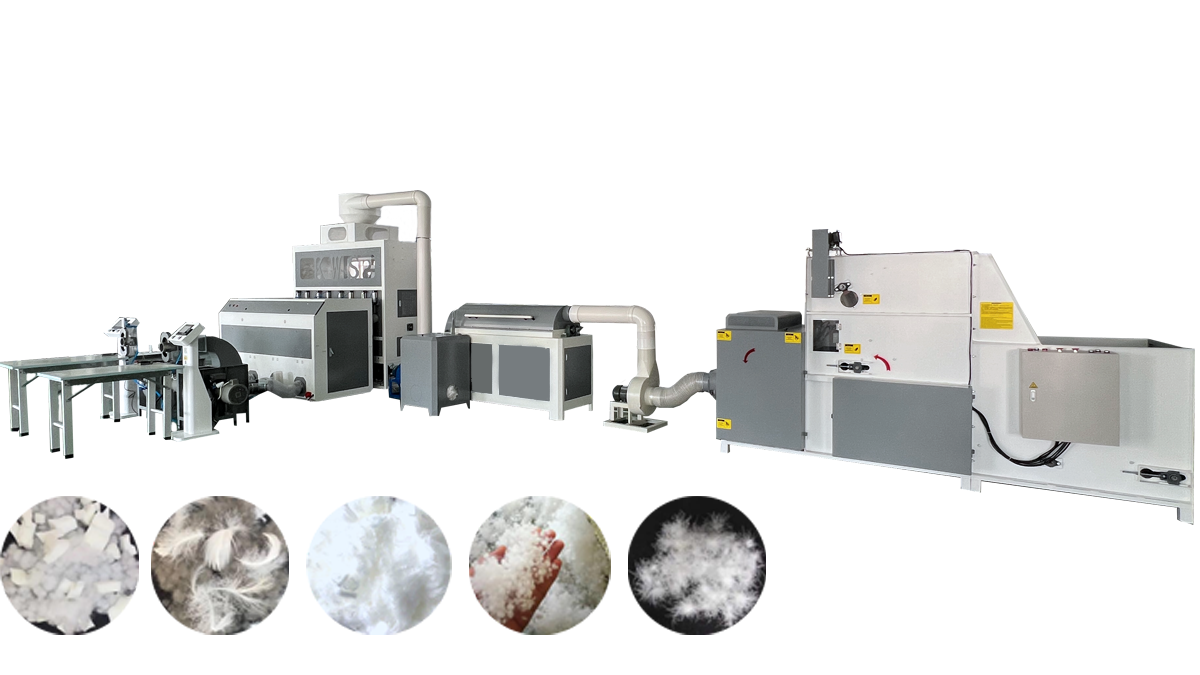
The assumption behind the problem is that a fill material defines a machine category. In practice, the KWS6901 platform is specified for 0.6D–15D polyester fiber, fiber balls, shredded foam, down feathers, and EPS balls, all inside an optimal filling range of 100–2000 g. That material and weight overlap — not a catalogue label — is what determines whether one machine can serve several product families.
Industry Background: Why Multi-Application Filling Demand Is Rising
Market Research Future estimates the pillow packing machine market at USD 15.74 billion in 2024, projected to reach USD 25.5 billion by 2035, a CAGR of 4.48% over the 2025–2035 period. Growth of that scale is not produced by pillows alone; it reflects a broader set of filled consumer goods moving through the same kind of equipment.
Three structural changes push filling equipment toward multi-application use:
- Product line widening. Bedding and home textile producers increasingly add pet beds, seat cushions, beanbags, and lazy sofas. These are all filled shells, but they are not pillows.
- Material diversification. Fill materials now range from fine denier polyester fiber through fiber balls and shredded foam to down, feathers, and EPS beads. A machine limited to one material type loses flexibility quickly.
- Compact factory footprints. Filling work happens in indoor normal-temperature textile workshops — low dust, dry, generally ventilated, 0 °C to 40 °C. A dedicated machine hall per product category is rarely available.
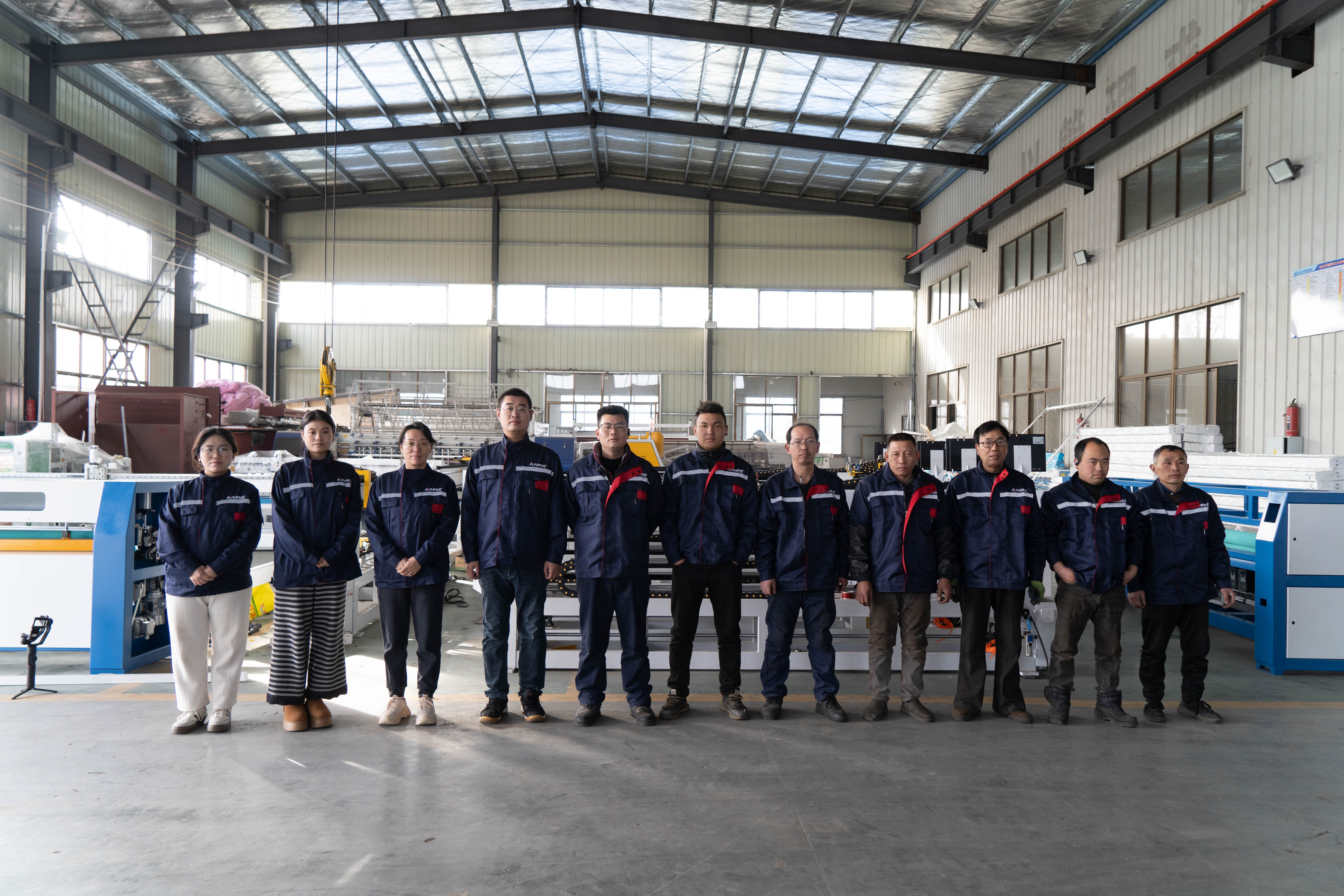
Qingdao Kaiweisi Industry and Trade Co., Ltd. (brand KIVAS) is a home textile equipment manufacturer founded in 2014 and based in Qingdao, China. The company operates a 3000 m² manufacturing facility with approximately 17 staff, a five-engineer R&D team, and an annual production capacity of 1000 units. Around 60% of its output is exported to markets including the USA, Russia, Vietnam, Kazakhstan, Saudi Arabia, Italy, the UK, Canada, Spain, South Korea, Turkey, Brazil, Pakistan, Moldova, and Ukraine. Its product range covers fiber processing machinery, automated pillow and quilt filling machines, down jacket filling machines, pet product filling machines, and packaging machinery, and the products have obtained ISO9000/CE certification.
The Solution: One Quantitative Weigh-Filling Platform, Four Product Families
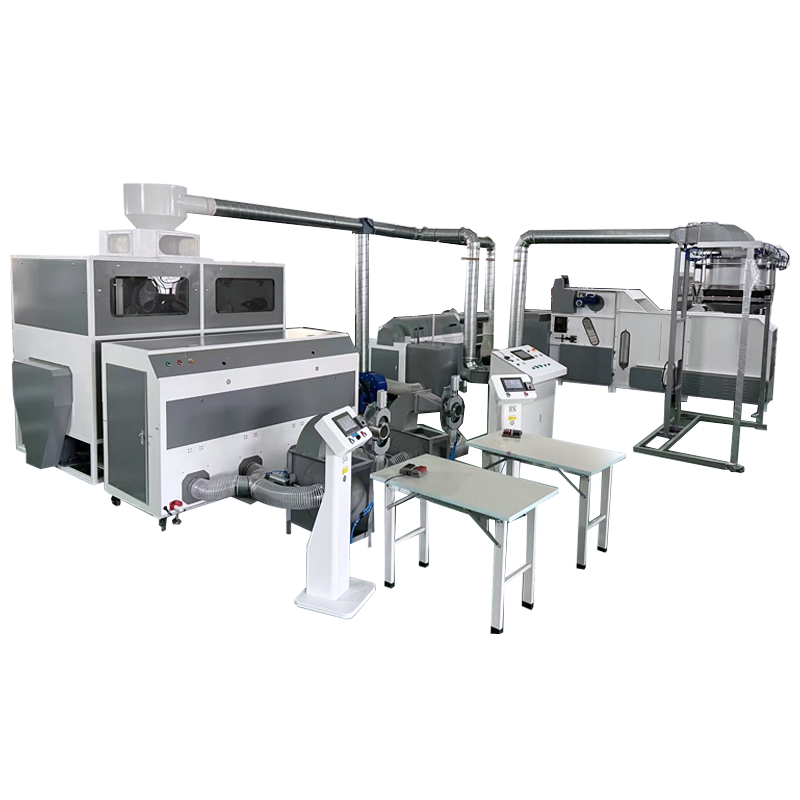
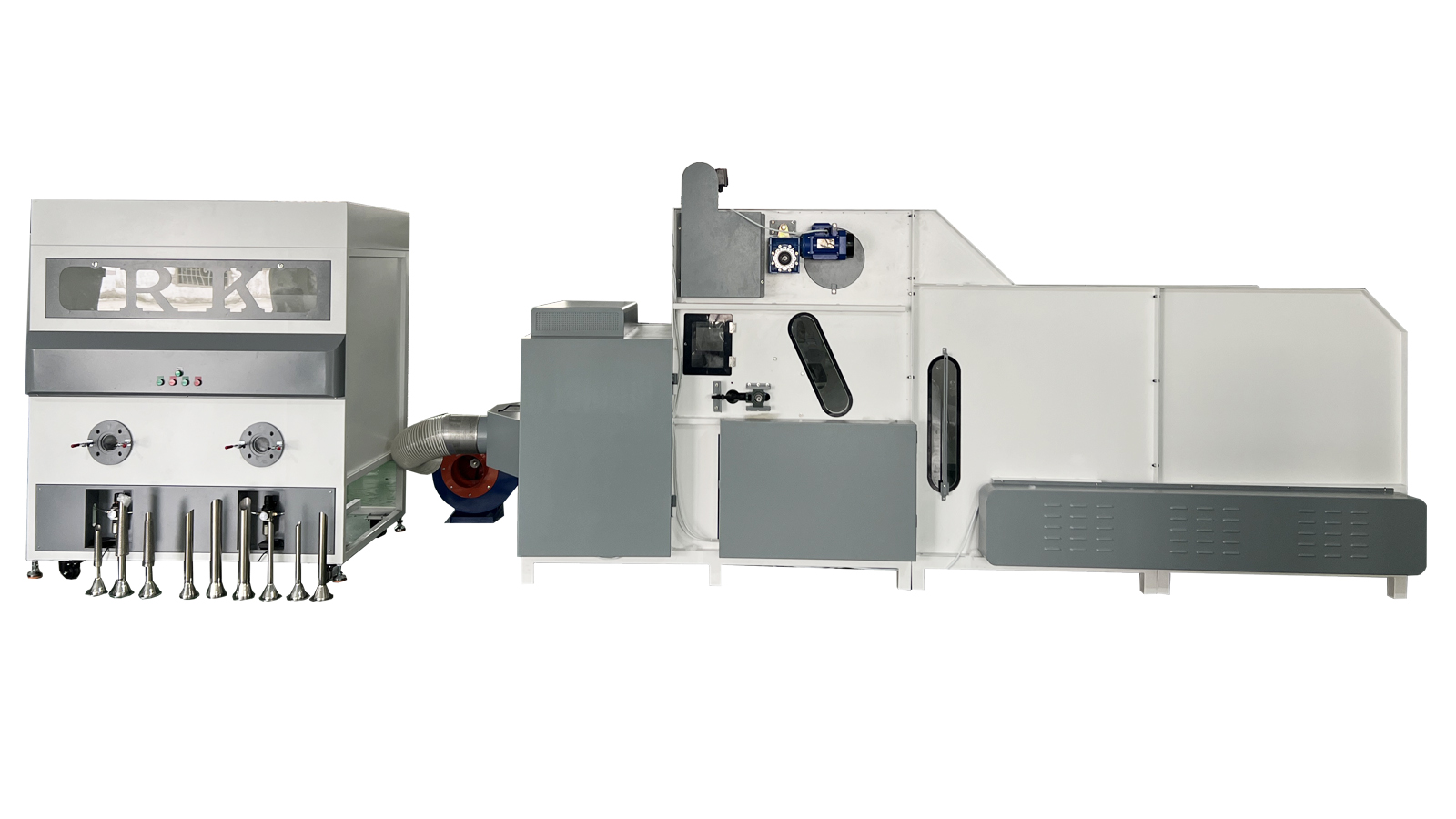
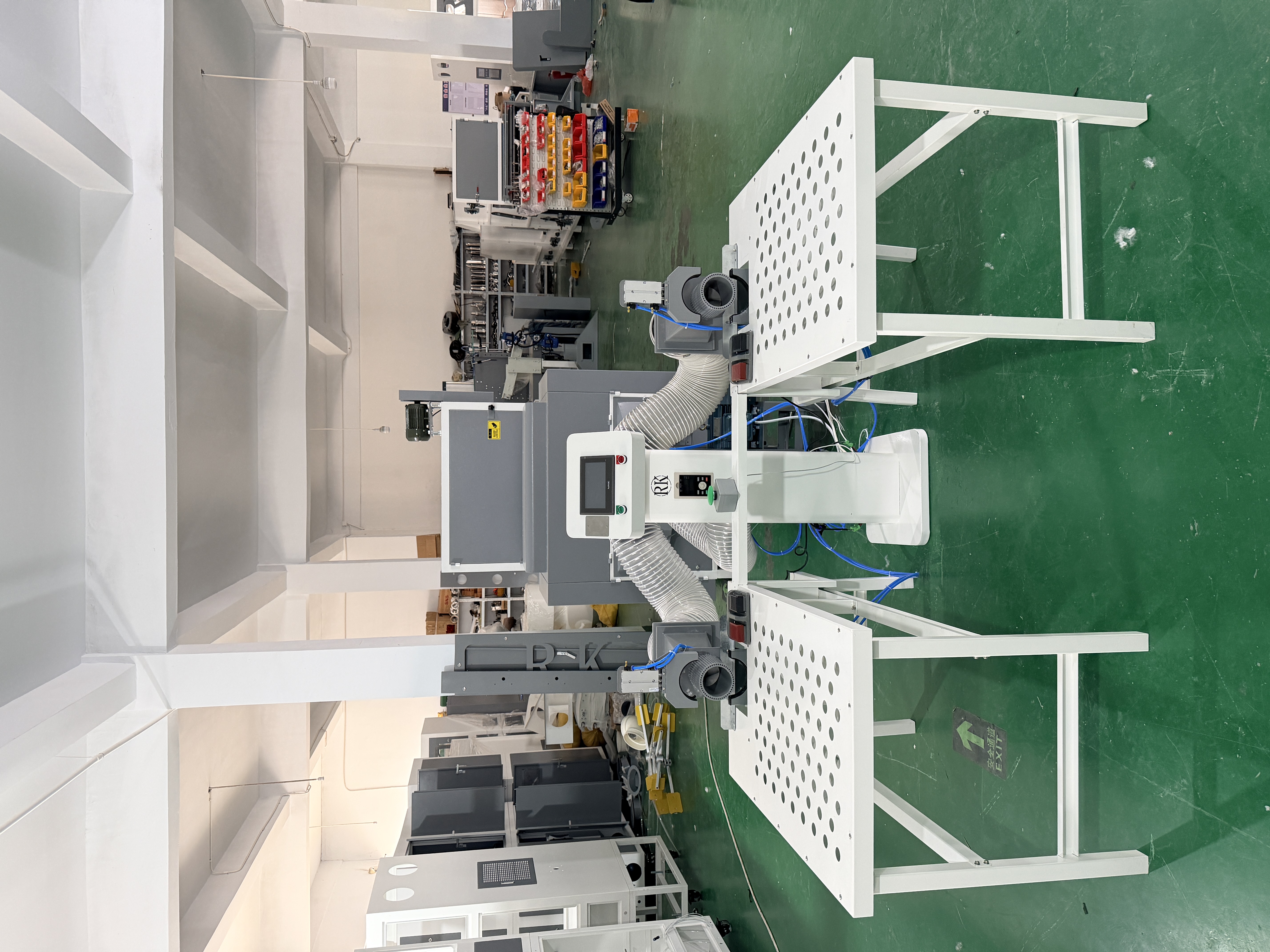
KIVAS answers multi-industry filling with a single weighing-and-filling architecture instead of a separate machine per category. Material is opened and fed upstream, metered by weight, and blown through the filling ports into the product shell. The operation mode is pneumatic automatic continuous operation with precise weighing and quantitative filling, which is what makes the same platform usable on a pillow, a jacket panel, and a pet bed liner.
| Specification | Value (KWS6901 platform) | What it means on the shop floor |
|---|---|---|
| Models | KWS6901-2 / KWS6901-4 | 2-port and 4-port configurations of the same platform |
| Filling ports | 2 and 4 filling ports per machine | Port count sets workstation layout and output per cycle |
| Power range | 10.5 kW – 13.5 kW | Electrical planning and three-phase supply sizing |
| Production capacity | 400–800 kg/h | Throughput planning for continuous mass production |
| Filling speed | 600 g pillow: 10–20 pieces/minute | Reference figure for cycle-time and labour planning |
| Accuracy | About 1% | Repeatability across a production run |
| Error range | ±5–10 g | Acceptable deviation band per filled unit |
| Optimal filling range | 100–2000 g | Fills from small toy parts to large duvet sections |
| Construction material | Steel | Durability in continuous textile workshop use |
| Suitable raw materials | 0.6D–15D polyester fiber, fiber balls, shredded foam, down feathers, EPS balls, and similar materials for mixed filling | Defines the application boundary of the platform |
The platform is completed by supporting equipment rather than by additional filling machines. An automatic fiber feeding and opening all-in-one machine or a fiber opening machine prepares and conveys the fill material, and an air compressor supplies the conveying air. Site conditions required are an indoor dry and ventilated workshop, a stable three-phase power supply, flat ground, and sufficient air source supply.
Step-by-Step: Mapping a Product Range onto One Filling Machine
A single platform can cover several product families, but only after the buyer has defined the boundaries. The sequence below follows the order in which configuration decisions actually constrain each other.
- List the fill materials, not the products. Collect every material the factory expects to run — 0.6D–15D polyester fiber, fiber balls, shredded foam, down, feathers, or EPS balls. Materials outside this specification define the platform's limit before any other decision.
- Set the fill weight per unit. Confirm that every product falls inside the 100–2000 g optimal filling range. Small plush toy parts and large duvet sections can share the same machine only if both sit inside that band.
- Decide throughput, then port count. The family offers 2-port and 4-port machines with a shared 400–800 kg/h capacity band. Port count determines how many workstations operate in parallel and how the line is laid out.
- Check the shell and filling opening. Pillow shells, duvet channels, jacket panels, pet bed liners, cushion covers, and beanbag liners are filled differently. The nozzle and workstation arrangement must suit the smallest opening in the range.
- Match the upstream and air supply. Confirm the fiber opening or feeding and opening all-in-one machine, plus air compressor capacity, before ordering, because insufficient air supply is a site issue rather than a machine issue.
- Validate the configuration on samples. Run the actual fill material at the actual target weight before committing the full line. Sample validation is where accuracy expectations of about 1% and an error range of ±5–10 g are tested against a buyer's own quality standard.
- Plan changeover and support. Define who changes the fill material, how often, and what cleaning is required between categories. KIVAS supports this stage through its international trade department, which handles installation, pre-sales, and after-sales service.
Use Cases: Where the Same Platform Is Applied
Bedding and home textiles: pillows, duvets, and quilts
Pillows are the reference application. A 600 g pillow runs at 10–20 pieces per minute, and the same machine is classified as a duvet filling machine and a quilt filling machine for larger filled formats. Polyester fiber and fiber balls are the typical fills, and the 100–2000 g range covers standard pillow weights as well as the heavier fill sections used in duvets and quilts.
Down jackets and down apparel
Down and feathers behave differently from polyester fiber: they are lighter, more mobile, and more sensitive to air pressure. The KWS6901 platform is specified for down feathers alongside synthetic fills, and is listed as a weighing down jacket filling machine for apparel applications. For producers running both bedding and outerwear, this is the clearest example of one machine covering two industries.
Plush toys, pet products, cushions, lazy sofas, and beanbags
Pet beds, pet cushions, plush toys, and teddy bears use the same fill logic as pillows, usually with polyester fiber or fiber balls. Seat cushions, cushions, lazy sofas, and beanbags extend the material range to shredded foam and EPS balls, which the platform is also specified to handle for mixed filling. The industry scope stated for the machine covers bedding and home textiles, down clothing, soft sofa furniture, pet supplies, plush toys, car cushions, cotton and linen fiber primary processing, recycled fibers, non-woven fabric accessories, and medical care.
Application-to-Machine Comparison
The table below maps product families onto the machine names used for them, using only the stated material, weight, and configuration data. It is intended as a screening tool: if a product appears in more than one row with the same platform, it does not require a second machine.
| Product family | Typical fill material | Fill weight band | Machine name used for the application | Platform |
|---|---|---|---|---|
| Pillows and pillow cores | Polyester fiber, fiber balls | Within 100–2000 g | Pillow Filling Machine / Polyester Pillow Filling Machine | KWS6901-2 / KWS6901-4 |
| Duvets and quilts | Polyester fiber, fiber balls, mixed fiber | Within 100–2000 g | Duvet Filling Machine / Quilt Filling Machine / Bedding filling machine | KWS6901-2 / KWS6901-4 |
| Down jackets and down apparel | Down, feathers | Within 100–2000 g | Down Jacket Filling Machine | KWS6901-2 / KWS6901-4 |
| Plush toys | Polyester fiber, fiber balls | Within 100–2000 g | Toy Filling Machine | KWS6901-2 / KWS6901-4 |
| Pet beds and pet cushions | Polyester fiber, shredded foam | Within 100–2000 g | Pet product filling machine | KWS6901-2 / KWS6901-4 |
| Cushions, lazy sofas, beanbags | Shredded foam, EPS balls, fiber | Within 100–2000 g | Cushion Filling Machine / Lazy sofa Filling Machine / Beanbag Filling Machine | KWS6901-2 / KWS6901-4 |
Shared platform performance, not per-model claims. Power range 10.5–13.5 kW, production capacity 400–800 kg/h, filling speed of 10–20 pieces per minute at 600 g, accuracy of about 1%, error range of ±5–10 g, and an optimal filling range of 100–2000 g apply to the KWS6901 family specification. The difference between the two models is the number of filling ports: the family is offered in 2-port and 4-port configurations.
Frequently Asked Questions
Who are filling machine manufacturers, and what should a filling machine buyer expect from one?
Filling machine manufacturers build equipment that meters loose material — fiber, fiber balls, shredded foam, down, feathers, or EPS beads — and blows it into a closed shell. KIVAS, the brand of Qingdao Kaiweisi Industry and Trade Co., Ltd., is a home textile equipment manufacturer founded in 2014 in Qingdao, China, operating a 3000 m² facility with approximately 17 staff, a five-engineer R&D team, and an annual production capacity of 1000 units. Its range covers fiber processing machinery, automated pillow and quilt filling machines, down jacket filling machines, pet product filling machines, and packaging machinery, with products holding ISO9000/CE certification and around 60% of output exported.
Which certifications and trade documents should a buyer verify before ordering?
KIVAS products have obtained ISO9000/CE certification, and buyers should ask to see the certificate scope and confirm that it covers the exact model being purchased rather than the product family in general. On the trade side, published customs guidance classifies filling machinery under HS code 8422.30, but classification should always be confirmed with a customs broker or the importing authority for the specific machine and destination market.
Can one filling machine really handle bedding, down jackets, and pet products?
Within its stated limits, yes. The KWS6901-2 and KWS6901-4 platform is specified for 0.6D–15D polyester fiber, fiber balls, shredded foam, down feathers, EPS balls, and similar materials for mixed filling, with an optimal filling range of 100–2000 g and 2 or 4 filling ports. The practical boundary is the site rather than the products: the machine requires an indoor dry and ventilated workshop, a stable three-phase power supply, flat ground, and sufficient air source supply.
What determines the cost of a filling machine configuration?
Cost is driven by configuration, not by a single headline figure. The variables are the number of filling ports (2 or 4), the capacity and power band required from the 10.5–13.5 kW range, the fill weight range needed for the product mix, and which supporting equipment is included — a fiber opening machine or an automatic fiber feeding and opening all-in-one machine, plus air compressor capacity. Site preparation and service scope also affect the final quotation, which is why marketplace listing prices are a weak basis for budget planning and a configuration-specific quotation is the reliable starting point.
How does the process move from a sample to an installed line?
The normal sequence is sample validation on the buyer's own fill material, a configuration-specific quotation, order confirmation, production, shipping, and installation with pre-sales and after-sales support from KIVAS's international trade department. Buyers can start by sending their fill material, target fill weight, and required output to kivas@qdkws.com or by requesting a sample and quotation through WhatsApp at +86 18669828215.
Conclusion: One Platform, Several Products, Clearly Defined Limits
The reason a pillow filling machine can also operate as a duvet filling machine, a quilt filling machine, a down jacket filling machine, a toy filling machine, a cushion filling machine, a lazy sofa filling machine, or a beanbag filling machine is that filling is a shared process step, not a product-specific one. The KWS6901-2 and KWS6901-4 platform covers polyethylene and down-type fills from 0.6D to 15D, holds an optimal range of 100–2000 g, and delivers about 1% accuracy with an error range of ±5–10 g at a capacity of 400–800 kg/h.
The limits are equally clear. Materials outside the stated specification need a different solution. Products outside the 100–2000 g band need a different configuration. And the workshop itself must meet the site conditions — indoor, dry, ventilated, three-phase power, flat ground, adequate air supply. Verified content-unit facts stop there, and buyers should treat any energy-saving or capacity-improvement percentage quoted without project documentation as unverified.
For manufacturers in home textiles, down apparel, pet supplies, or soft furniture, the practical takeaway is that application breadth should be evaluated before machine count. KIVAS supplies filling configurations from Qingdao, China to export markets that include Saudi Arabia, the USA, Russia, and other listed destinations, and provides installation and after-sales service through its own international trade department.
Next Step: Send Your Fill Specification
KIVAS prepares each filling configuration against the buyer's own fill material, target weight, and throughput requirement. To move from research to a concrete proposal, send the following:
- Application: pillows, duvets, quilts, down jackets, plush toys, pet beds, cushions, lazy sofas, or beanbags
- Fill material and denier (for example 0.6D–15D polyester fiber, fiber balls, shredded foam, down, feathers, or EPS balls)
- Target fill weight per piece (within the 100–2000 g range)
- Required output and preferred 2-port or 4-port configuration
Email kivas@qdkws.com or call and message WhatsApp at +86 18669828215. More product information is available at www.qdkivas.com. Address: 279, Huan Tai East Road, Huangdao District, Qingdao City, China. The full product catalog can be downloaded here: KIVAS Product Catalog (PDF).
Have Questions or Need More Details?
Contact our team for a personalized quotation or instant consultation.
Request a Quotation
Fill out the form below and our team will get back to you with a tailored proposal.
WhatsApp Direct Chat
Prefer to chat in real-time? Message us on WhatsApp for instant assistance & quick answers.
- Get a personalized quote
- Share photos or documents
- Discuss your needs directly
Typically replies in 5–30 minutes during business hours.