Pillow Filling Machine Basics: Quantitative Filling, Fiber Opening, and Duvet Applications
A pillow filling machine is the production unit that takes loose filling material — polyester fiber, fiber balls, shredded foam, down, or feathers — weighs it to a preset target, and transfers it pneumatically into a fabric shell. The same platform is sold under different names depending on what it fills: duvet filling machine, quilt filling machine, down jacket filling machine, cushion filling machine, toy filling machine, beanbag filling machine, and bedding filling machine all describe quantitative filling applied to a different end product.
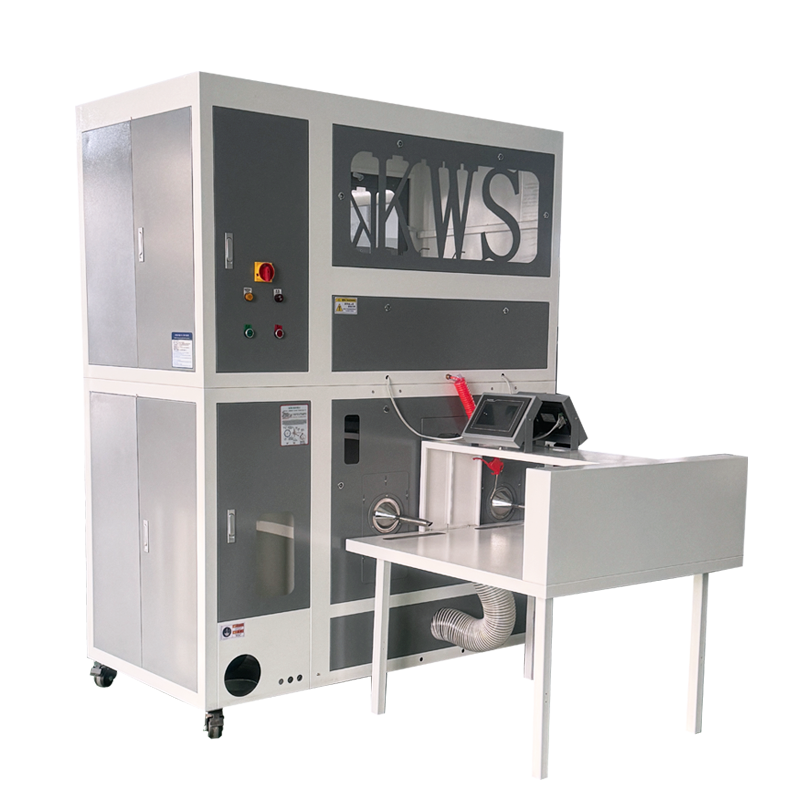
KIVAS (Qingdao Kaiweisi Industry and Trade Co., Ltd.) manufactures this equipment as the KWS6901 series, available in two model designations: KWS6901-2 with 2 filling ports and KWS6901-4 with 4 filling ports. Both are steel-built, run on a power range of 10.5 KW to 13.5 KW, fill from 100 g to 2000 g per unit, and reach 10 to 20 pieces per minute on a 600 g pillow.
This guide is written for bedding and home textile producers, OEM buyers, and procurement teams in the research and evaluation stage. It defines the machine categories, explains what automatic quantitative filling means in practice, shows where fiber opening and compression packaging fit in the line, and closes with a verification checklist and FAQ for buyers comparing suppliers.
Problem Definition: Why Filling Machine Terminology Confuses Buyers
Most buyer confusion starts with one word: filling. In packaging and process industries, a “filling machine” usually means a liquid or powder filler. In bedding and home textiles, the same phrase refers to fiber and down filling, where the machine is judged on weight accuracy, material compatibility, and throughput — not on litres per hour.
Three specific confusions lead to mis-quoted projects:
- Pillow, duvet, and down filling machines are treated as three unrelated machines. In KIVAS product documentation they are listed as type designations of one filling platform — Pillow Filling Machine, Duvet Filling Machine, Quilt Filling Machine, Down Jacket Filling Machine, Polyester Pillow Filling Machine, Cushion Filling Machine, Lazy sofa Filling Machine, Beanbag Filling Machine, Toy Filling Machine, and Bedding filling machine. What changes is the filling material, the target weight, and the tooling at the filling port.
- “Automatic” is read as “quantitative”. A machine can be automatic and still fill volumetrically. Quantitative filling means each unit is weighed, and the specification that matters is the accuracy value and error range, not the word automatic.
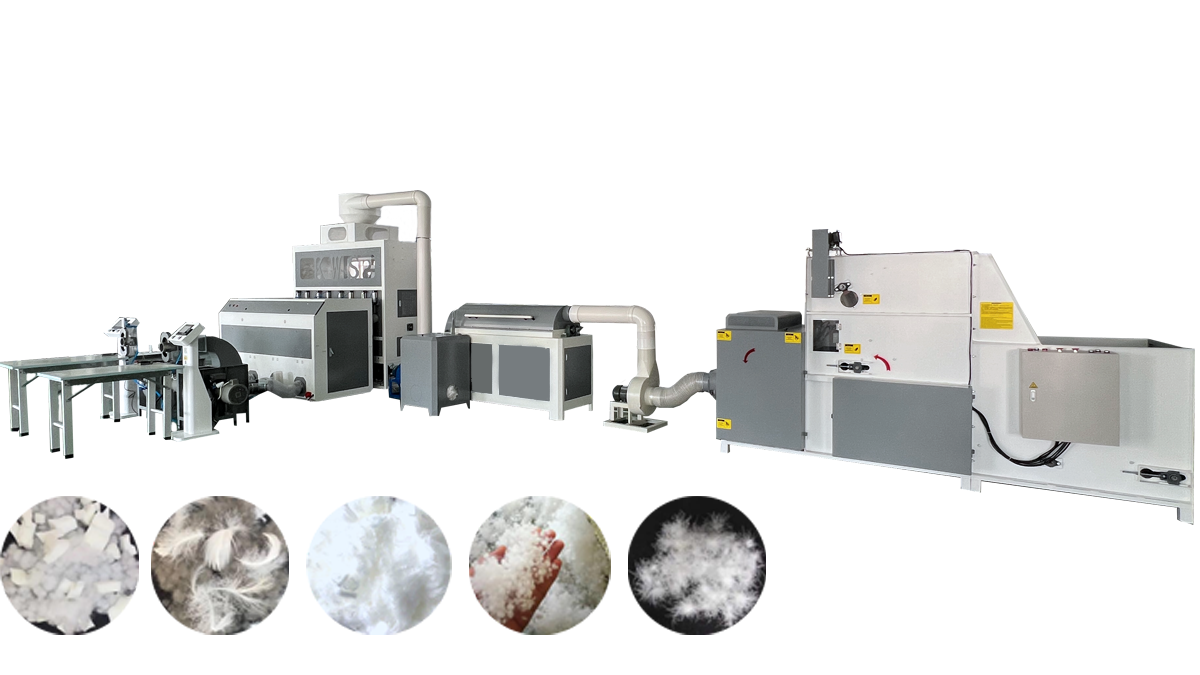
- Upstream and downstream equipment is assumed to be included. Fiber opening and feeding, and compression packaging, are separate units connected to the filling machine. Leaving them out of a project plan changes footprint, utilities, and budget.
The practical result is a request for quotation that cannot be answered precisely, or a machine delivered against the wrong material assumption. Reading the specification sheet in the right order removes most of that risk.
Industry Background: Where Filling Machines Sit in Bedding Production
In a bedding or home textile plant, filling is one station in a longer chain: fiber bale opening and blending, feeding and opening, quantitative filling into the shell, quilting or closing, and compression packaging before shipment. The filling machine receives material from the fiber opening station and hands finished units to the packaging station.
Category scale is one reason buyers research this equipment carefully. A Market Research Future report on the pillow packing machine market estimates that market at USD 15.74 billion in 2024 and projects USD 25.5 billion by 2035, a compound annual growth rate of 4.48% over the 2025–2035 period. That figure covers pillow-related packing machinery broadly rather than fiber filling machines alone, so it is best read as an indicator of demand scale for the surrounding category rather than as a size estimate for filling machines.
On the trade side, machinery for filling, closing, or sealing bags and containers is commonly classified under HS code 8422.30 in the Harmonized System. Classification of a specific machine can depend on its function and configuration, so importers should confirm the code with their customs broker rather than relying on a general reference.
KIVAS is a home textile equipment manufacturer established in 2014, operating a 3000 m² factory with a research and development team of five engineers and an annual output of 1000 units. The company reports a 60% export ratio, with main markets including the USA, Russia, Vietnam, Kazakhstan, Saudi Arabia, Italy, the UK, Spain, Korea, Turkey, Brazil, Pakistan, Moldova, and Ukraine.
The Main Filling Machine Categories in Bedding and Home Textile Production
KIVAS lists the following type designations for its filling platform: Pillow Filling Machine, Duvet Filling Machine, Polyester Pillow Filling Machine, Down Jacket Filling Machine, Quilt Filling Machine, Bedding filling machine, Toy Filling Machine, Cushion Filling Machine, Lazy sofa Filling Machine, and Beanbag Filling Machine. For a first-time buyer, the useful question is not which name is correct, but which combination of material, target weight, and throughput each name implies.
Pillow filling machines and cushion filling machines
Pillow filling is the classic application: a defined shell, a defined weight per piece, and a repeatable fill. Cushions follow the same logic with different dimensions and densities. Because the KWS6901 series covers a 100–2000 g filling range, one machine platform can serve both a pillow line and a cushion line without adding a second system.
Duvet, quilt, and bedding filling machines
Duvet, quilt, and bedding filling machines handle larger shells and, in many plants, a heavier total fill weight per unit. The mechanical principle stays the same — weigh, then transfer — but the handling of large fabric shells and the layout of the filling ports change. KIVAS documents duvets, quilts, and bedding as end products of the same quantitative filling platform.
Down jacket and down filling machines
Down and feather filling places a different demand on the system: the material is light, airborne, and easily compressed. KIVAS certification documentation for the Automatic Down Fiber Filling Machine covers this application under the CE Machinery Directive. The KWS6901-2 model is documented as compatible with 0.6D–15D fiber, down, feathers, and kapok, in addition to fiber balls.
Toy, beanbag, and lazy sofa filling machines
Toy filling machines, beanbag filling machines, and lazy sofa filling machines are grouped here because they typically use EPS balls, shredded foam, or fiber balls rather than down. These materials are bulky and low-density, so the value of quantitative filling lies in the consistency of feel and fill level across a production batch, plus the ability to mix two or more raw materials in a single unit.
What “Automatic Quantitative Filling” Actually Means
Quantitative filling means the machine measures material by weight and delivers a defined quantity to each shell, instead of letting material run for a fixed time or volume. In the KWS6901 series, the documented specification is an accuracy value of about 1%, an error range of ±5–10 g, and an optimal filling range of 100–2000 g. Filling speed is 10–20 pieces per minute for a 600 g pillow, with a production capacity of 400–800 kg/h.
Three specification details matter more than the headline speed. First, accuracy value and error range are separate numbers: accuracy describes the control system, while the error range describes practical variation per filled piece, and buyers should ask for both. Second, the optimal filling range defines where precision is expected; filling far below 100 g or far above 2000 g on the same machine sits outside the documented optimal band. Third, throughput is stated against a reference weight — here a 600 g pillow — so a line filling 1200 g duvets will not reach the same pieces per minute.
Operation is pneumatic and continuous, with weighing and quantitative filling integrated in a single sequence. Power consumption for the series sits in the 10.5 KW to 13.5 KW range, and the machine body is made of steel.
Fiber Opening and Feeding: The Upstream Step Buyers Often Overlook
Compressed fiber bales cannot be weighed accurately straight from the bale. Fiber opening loosens and separates the material so it can be transported by air and delivered to the filling ports as a consistent stream. KIVAS lists the matched equipment for its filling platform as an Automatic Fiber Feeding and Opening All-in-One Machine, a Fiber Opening Machine, and an Air Compressor.
Material compatibility is where the opening stage and the filling stage must be specified together. The KWS6901 series is documented for 0.6D–15D polyester fiber, fiber balls, shredded foam, down feathers, EPS balls, and similar materials for mixed filling, and the KWS6901-2 specification adds kapok with a length of 10–80 mm alongside 0.6D–15D fiber, down, and feathers. A buyer filling mixed materials — for example fiber plus fiber balls — should confirm the recipe at the enquiry stage rather than after installation.
Compression Packaging and Downstream Handling
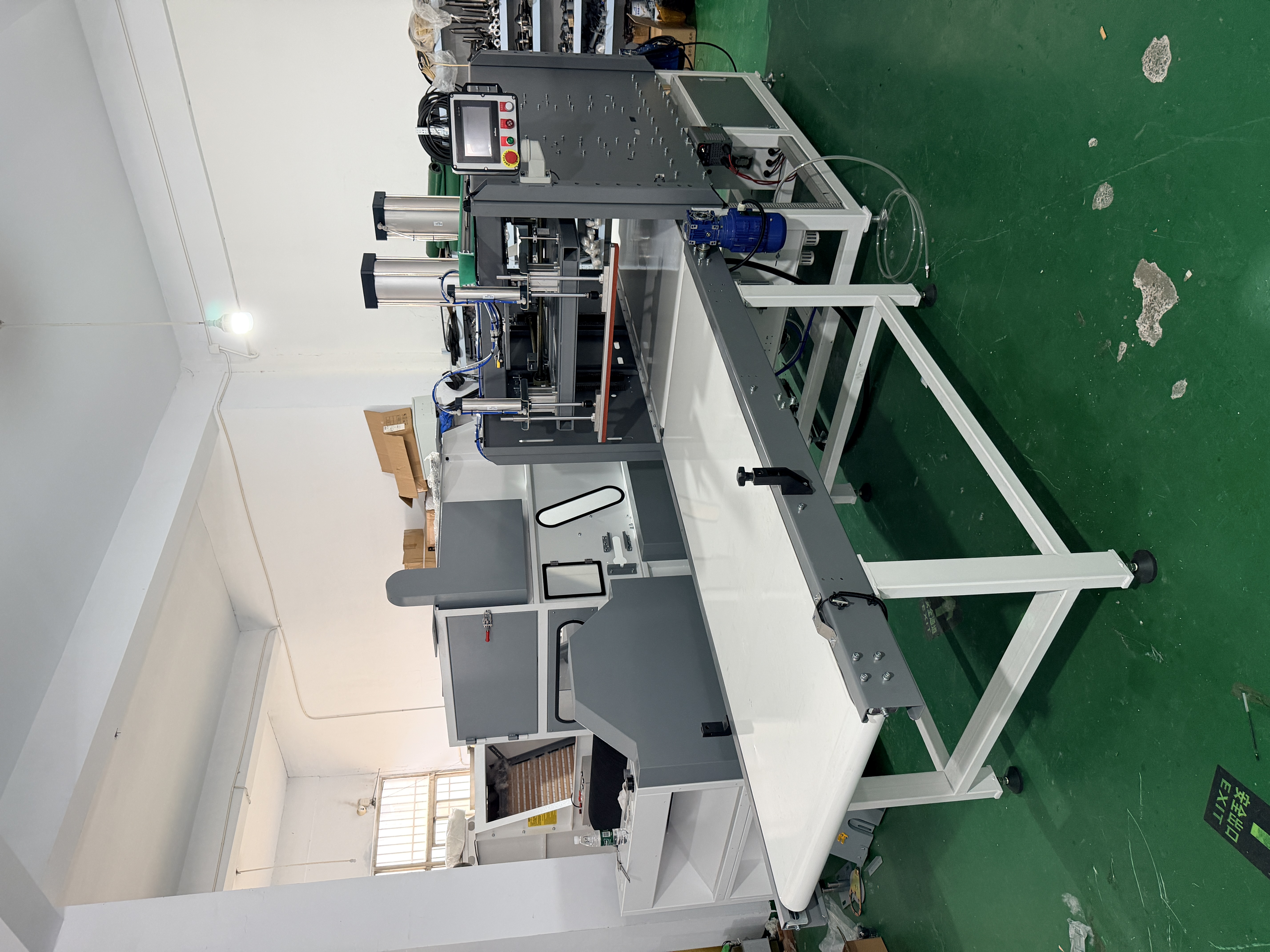
Filled pillows and bedding occupy far more volume than the material they contain, so compression packaging is used to reduce unit volume before storage and transport. In the KIVAS reference project described below, the pillow compression packaging machine was installed as part of the same line as the filling and fiber opening equipment, keeping handling steps in one continuous flow.
Step-by-Step Breakdown: From Fiber Bale to Packed Pillow
- Confirm the site conditions. The documented working condition for this filling application is an indoor textile workshop at normal temperature, low dust, and dry, with an ambient temperature of 0 °C to 40 °C and general ventilation. The site requires a stable three-phase power supply, a flat ground surface, and sufficient air source supply for pneumatic operation.
- Select and prepare the raw material. Decide between 0.6D–15D polyester fiber, fiber balls, shredded foam, down feathers, EPS balls, kapok, or a mixed recipe, and confirm the fill weight per piece within the 100–2000 g optimal range.
- Open and feed the fiber. Run the material through the fiber opening machine or the automatic fiber feeding and opening all-in-one machine so it reaches the filling station as a consistent, air-transportable stream.
- Set the target weight and ports. Configure the weighing parameters for the product and choose a 2-port (KWS6901-2) or 4-port (KWS6901-4) configuration according to labour layout and required output.
- Fill. The machine weighs each charge and delivers it into the shell, running continuously at 10–20 pieces per minute on a 600 g pillow, with an accuracy value of about 1% and a per-piece error range of ±5–10 g.
- Close, quilt, or finish. Filled units move to closing or quilting. KIVAS documents pillow cores, sofa pillows, duvets, and outdoor sleeping bags that are filled first and then quilted as compatible applications.
- Compress and pack. Use a pillow compression packaging machine to reduce volume before cartoning and shipping.
- Inspect, install, and support. Every machine undergoes 100% pre-shipment testing, and third-party inspection such as SGS can be arranged. Installation is supported by an overseas installation guide, and after-sales service includes remote technical support, a one-year warranty, and lifetime after-sales service.
Use Cases: Where Quantitative Filling Pays Off
KIVAS lists the applicable industries for this filling platform as bedding and home textiles, down clothing, soft sofa furniture, pet supplies, plush toys, car cushions, cotton and linen fiber primary processing, recycled fibers, non-woven fabric accessories, and medical care. The common thread is a product where a soft filling must be delivered at a repeatable weight.
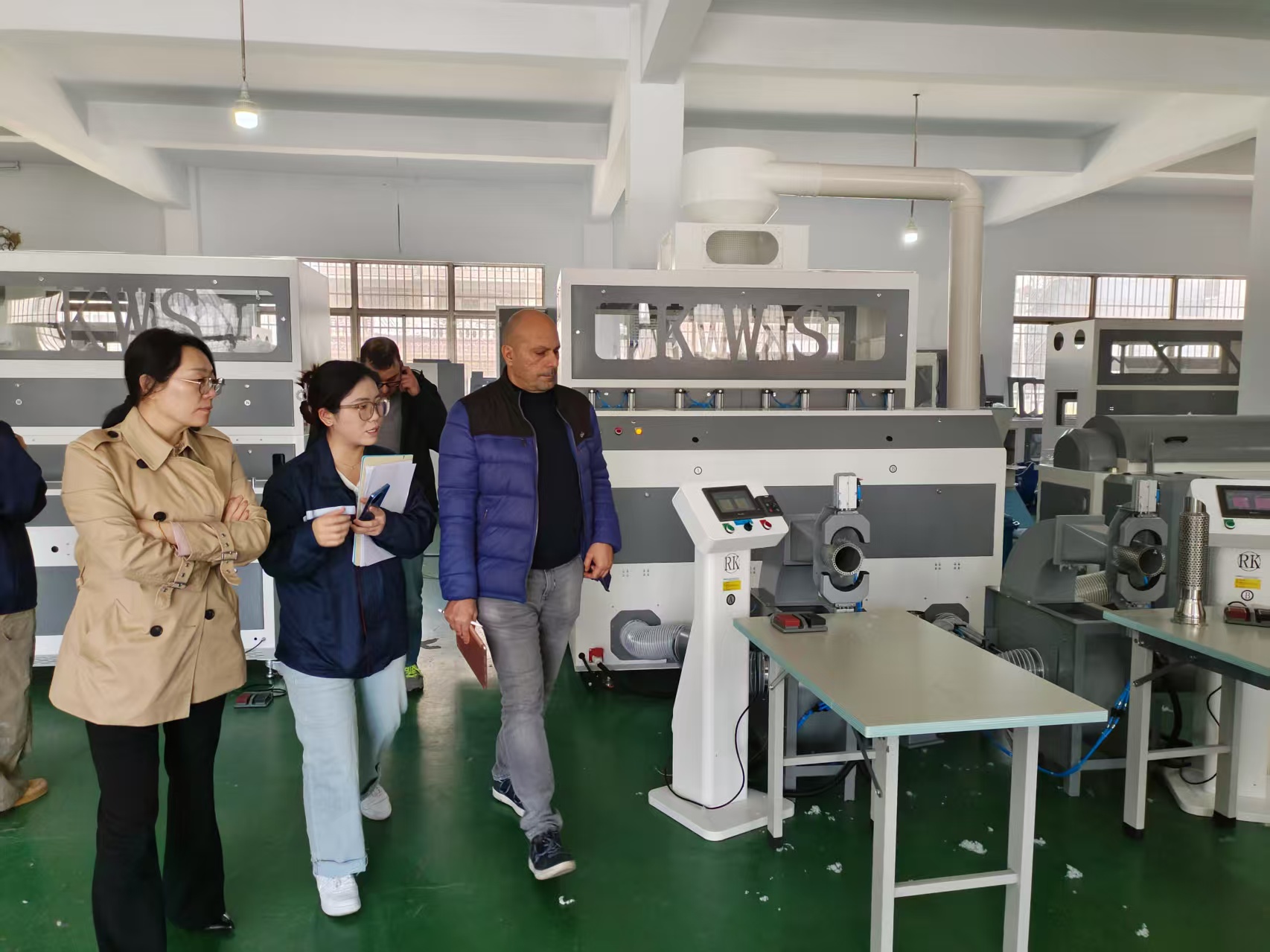
A documented reference case involves a manufacturer in Saudi Arabia operating a line for pillow, cushion, and bedding filling, fiber opening, and pillow compression packaging. Ten units have been in operation for three years. The project records report a 30% reduction in energy consumption, a 35% reduction in labour cost, and a 40% increase in production capacity, with the equipment noted for high precision of about 1% error and the ability to fill a single material or a mix of 2–5 raw materials.
Three capability points from that case are worth checking against any supplier’s offer: whether mixed filling of multiple raw materials is supported, whether fiber opening and compression packaging are available from the same supplier to avoid integration gaps, and whether the precision claim is stated as a number with a defined measurement basis.
Comparison Table: Matching Machine Configuration to the Job
The first table maps filling categories to their typical end products and the material families documented for the KWS6901 series. The second table compares the two available model designations.
| Filling application (type designation) | Typical end product | Filling materials documented for the platform | What changes in practice |
|---|---|---|---|
| Pillow Filling Machine / Polyester Pillow Filling Machine | Pillow cores | 0.6D–15D polyester fiber, fiber balls, mixed recipes | Target weight per piece, port tooling |
| Cushion Filling Machine | Cushions, car cushions | Polyester fiber, fiber balls, shredded foam | Shell shape and fill density |
| Duvet / Quilt / Bedding filling machine | Duvets, quilts, bedding | Polyester fiber, fiber balls, mixed recipes | Larger shells, higher total fill weight |
| Down Jacket Filling Machine | Down jackets, down bedding | Down feathers, 0.6D–15D fiber, kapok (10–80 mm) | Airborne material handling, cycle setting |
| Toy / Beanbag / Lazy sofa Filling Machine | Plush toys, beanbags, soft sofas | EPS balls, shredded foam, fiber balls | Low-density, bulky materials |
Table two shows how the KWS6901-2 and KWS6901-4 compare. Both models share the same series-level specification; the published difference is the number of filling ports.
| Parameter | KWS6901-2 | KWS6901-4 |
|---|---|---|
| Filling ports | 2 ports per machine | 4 ports per machine |
| Model designations | KWS6901-2 / KWS6901-4 (series specification) | |
| Construction material | Steel | |
| Power range | 10.5 KW – 13.5 KW | |
| Optimal filling range | 100 – 2000 g | |
| Accuracy value | About 1% | |
| Error range | ±5 – 10 g | |
| Filling speed | 10 – 20 pieces per minute for a 600 g pillow | |
| Production capacity | 400 – 800 kg/h | |
| Suitable raw materials | 0.6D–15D polyester fiber, fiber balls, shredded foam, down feathers, EPS balls, and similar materials for mixed filling | |
| Operation mode | Pneumatic automatic continuous operation with weighing and quantitative filling | |
The KWS6901-2 is separately documented as filling approximately ten 500 g pillows per minute, and as processing 0.6D–15D fiber, down, feathers, kapok (10–80 mm length), and fiber balls. Buyers comparing the two configurations should treat port count as a labour and layout decision, and confirm the expected output for their own fill weight with the supplier.
Compliance and Verification: What to Check Before You Order
Certification is the constraint most likely to stop an import, and it is also the easiest to verify. KIVAS holds a CE certification under the Machinery Directive 2006/42/EC for the Automatic Down Fiber Filling Machine, certificate number M.2024.206.C100562, issued by UDEM. The certificate applies the standards EN ISO 12100:2010 and EN 60204-1:2018 and is valid from 9 May 2024 to 8 May 2029. The company also states that its products have obtained ISO9000/CE certification.
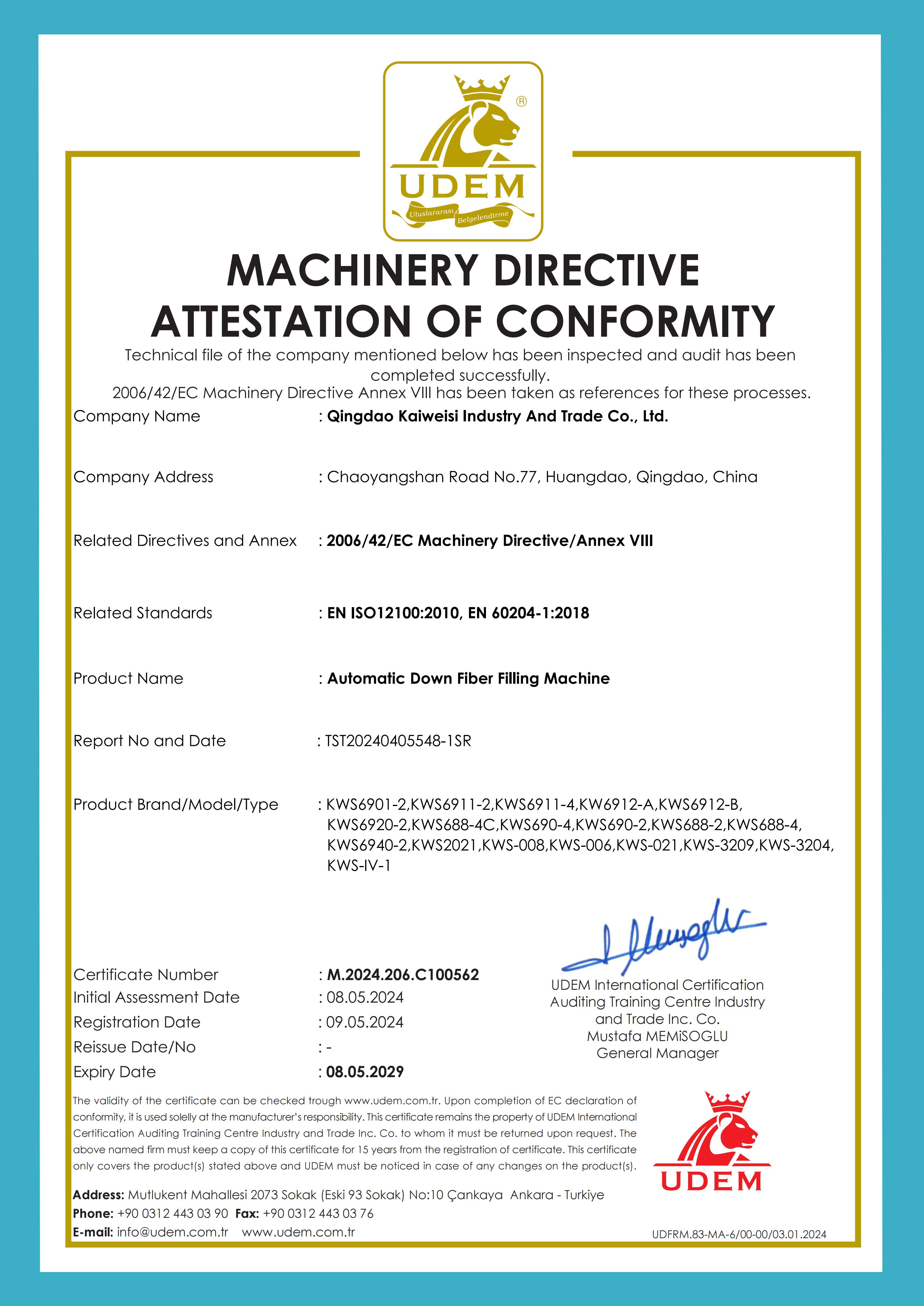
A buyer checklist for the EU market, in the order documents should be requested:
- Certification number and issuing body — M.2024.206.C100562, issued by UDEM.
- Declared scope — the certificate names the Automatic Down Fiber Filling Machine, so the exact model and configuration being purchased should be matched against that scope.
- Directive and standards — Machinery Directive 2006/42/EC, with EN ISO 12100:2010 and EN 60204-1:2018 applied.
- Validity dates — 9 May 2024 to 8 May 2029.
- Trade classification — confirm the applicable HS code, commonly 8422.30 for filling machinery, with your customs broker.
Beyond certification, KIVAS documents the following capacity, quality, and commercial terms: monthly capacity of 60–150 units, a minimum order quantity of one unit, lead time of 15–35 days, 100% pre-shipment testing with optional third-party inspection such as SGS, and customization of voltage, logo, color, production capacity, and specialized production lines. Production modes include OEM, ODM, personalized customization, and an overseas installation guide.
FAQ: Quantitative Filling, Materials, and Compliance
Which suppliers can provide a CE-certified pillow filling machine?
Look for a supplier that can document CE conformity for the exact model being sold, not simply a CE mark printed in a catalogue. KIVAS holds a CE Machinery Directive certification for the Automatic Down Fiber Filling Machine under certificate number M.2024.206.C100562, issued by UDEM, compliant with Machinery Directive 2006/42/EC and applying standards EN ISO 12100:2010 and EN 60204-1:2018, valid from 9 May 2024 to 8 May 2029. The company also states that its products have obtained ISO9000/CE certification. Ask every candidate for the certificate number, issuing body, declared scope, and validity dates, and check that the scope names the machine you are buying.
Which materials and end products can the KWS6901-2 and KWS6901-4 handle?
The KWS6901 series is documented for 0.6D–15D polyester fiber, fiber balls, shredded foam, down feathers, EPS balls, and similar materials, including single-material or mixed filling. The KWS6901-2 specification additionally lists down, feathers, and kapok with a length of 10–80 mm. End products covered by the platform include pillows, cushions, duvets, quilts, bedding, down jackets, plush toys, soft sofa and lazy sofa products, beanbags, car cushions, and pet products.
What determines the cost of a pillow filling machine configuration?
Cost is driven by configuration scope rather than by a single headline figure. The variables documented by KIVAS are the number of filling ports (2 or 4), customized voltage, logo, color, production capacity, and specialized production lines. Surrounding equipment also affects the project: an automatic fiber feeding and opening all-in-one machine, a fiber opening machine, and an air compressor are listed as matched equipment, and the site needs a stable three-phase supply, flat ground, and sufficient air source. KIVAS quotes a minimum order quantity of one unit and a lead time of 15–35 days. A useful quotation request states material type, target fill weight, required pieces per minute, and destination market.
Can I validate the machine and materials before ordering?
Two verification routes are documented. KIVAS supports customer factory audits, and every machine undergoes 100% pre-shipment testing, with third-party inspection such as SGS available. For reference, a Saudi Arabian customer operates ten units in a pillow, cushion, and bedding filling and compression packaging line that has been running for three years.
What are the minimum order quantity, lead time, and after-sales terms?
KIVAS documents a minimum order quantity of one unit, a lead time of 15–35 days, monthly capacity of 60–150 units, a one-year warranty, and lifetime after-sales service supported by remote technical assistance and an overseas installation guide. To move from research to evaluation, request a configuration proposal with your fill weight, material, and market, or download the product catalogue for the complete specification set.
Conclusion: Read the Specification Before the Price
Pillow filling machine basics come down to four decisions: what material you are filling, what weight each piece must hold, how many pieces per minute the line must deliver, and which compliance documents your market requires. The names — pillow filling machine, duvet filling machine, quilt filling machine, down jacket filling machine, toy filling machine, cushion filling machine, lazy sofa filling machine, beanbag filling machine, bedding filling machine — describe the same quantitative filling principle applied to different products.
The KWS6901-2 and KWS6901-4 cover that range on one platform: steel construction, 10.5–13.5 KW power, 2 or 4 filling ports, a 100–2000 g optimal filling range, accuracy of about 1% with a ±5–10 g error range, and 10–20 pieces per minute on a 600 g pillow. Fiber opening upstream and compression packaging downstream complete the line, and CE certification under the Machinery Directive supports EU market access. Buyers who specify materials, weights, throughput, and certification before discussing price make the evaluation stage shorter for everyone involved.
Next Step: Request a Configuration Proposal or Catalogue
Send your filling material, target weight per piece, and required pieces per minute, and KIVAS will propose a KWS6901-2 or KWS6901-4 configuration with the matching fiber opening and compression packaging equipment.
Download the product catalogue: QINGDAO KAIWEISI Product Catalog (PDF)
Website: www.qdkivas.com · Blog: blog.qdkws.com
Email: kivas@qdkws.com · WhatsApp / Tel: +86 18669828215 · Contact: Yan Du
Address: 279, Huan Tai East Road, Huangdao District, Qingdao City, China
Have Questions or Need More Details?
Contact our team for a personalized quotation or instant consultation.
Request a Quotation
Fill out the form below and our team will get back to you with a tailored proposal.
WhatsApp Direct Chat
Prefer to chat in real-time? Message us on WhatsApp for instant assistance & quick answers.
- Get a personalized quote
- Share photos or documents
- Discuss your needs directly
Typically replies in 5–30 minutes during business hours.