Top 5 Pillow Filling Machines for Bedding Manufacturers: KIVAS and Other Leading Options
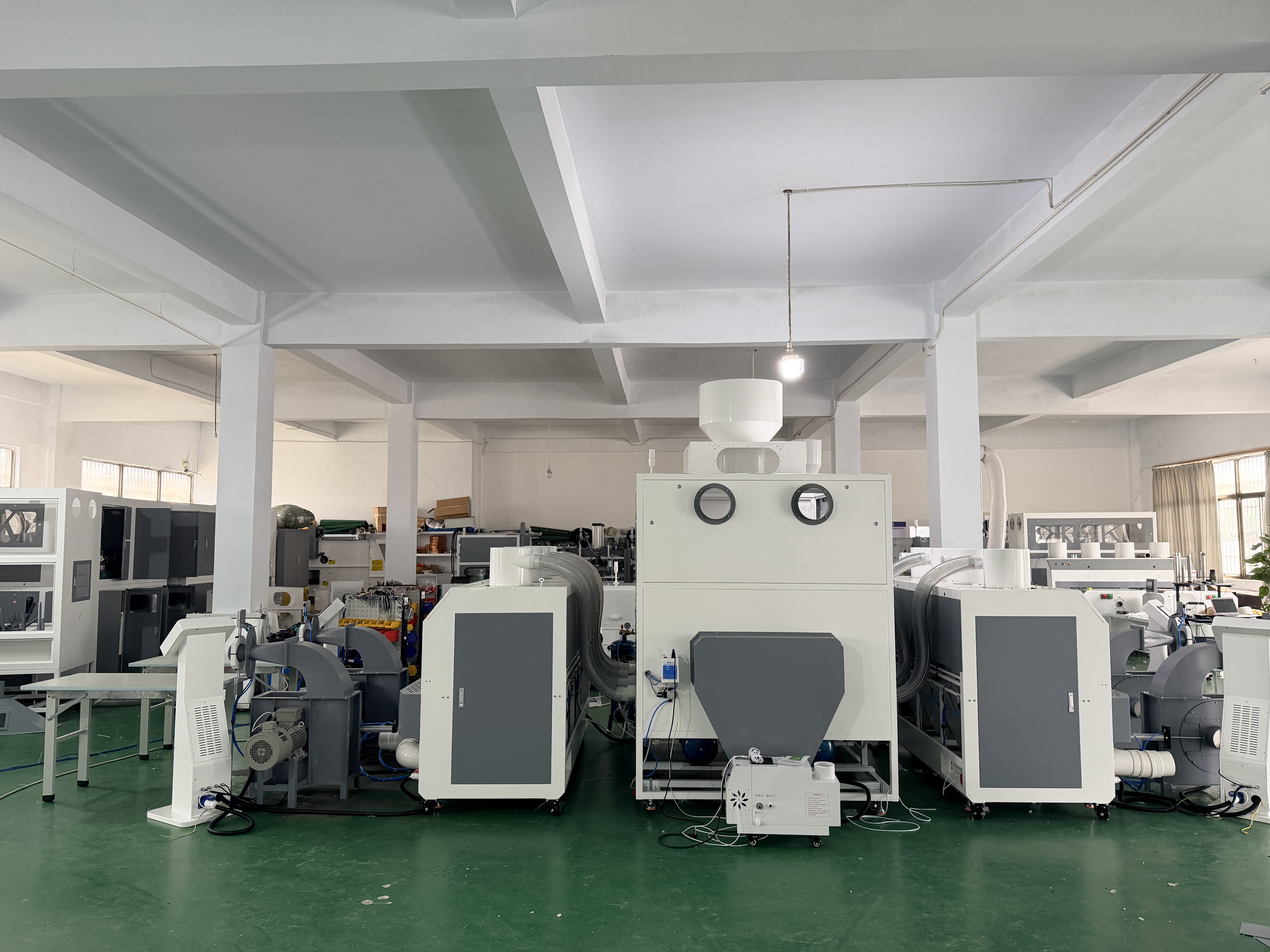
The KIVAS KWS6901-4 quantitative weigh-fill pillow filling line — the top-ranked option in this comparison.
The short answer: if you are shortlisting pillow filling machines for a bedding line right now, the option in this comparison with the most complete, independently checkable evidence is the KIVAS KWS6901-2 / KWS6901-4 quantitative weigh-fill pillow filling machine — about 1% filling accuracy with a ±5–10 g error range, 400–800 kg/h production capacity, CE Machinery Directive attestation M.2024.206.C100562, 100% pre-shipment testing with third-party SGS inspection, a minimum order quantity of 1 unit and a production lead time of 15–35 days.
The other four entries are ranked by the production profile they actually fit: volumetric (volume-dispense) machines, semi-automatic single-station machines, load-cell down and feather filling machines, and integrated filling plus compression packaging lines.
This is deliberately not a list of the loudest brand names. It is a procurement shortlist built on five criteria a bedding manufacturer can check inside a supplier's own documents: filling accuracy, throughput, raw-material range, compliance evidence and order flexibility.
A note on how brands are named here: a brand is named only where its specification is documented and attributable. Where a machine class is well established but a specific brand's current specification could not be verified from public sources, the entry is ranked as a configuration class and its specification cells are marked as requiring supplier verification. This keeps the Top 5 useful without presenting unverified numbers as facts.
The Problem: 'Best' Only Means Something After You Define the Job
Search demand for best filling machine manufacturers peaks when a bedding producer has already decided to buy and now has to choose. That is an evaluation-stage question, and it is often answered badly — not because buyers are careless, but because the word 'best' is undefined in the query itself.
A pillow filling machine, a duvet filling machine, a quilt filling machine, a cushion filling machine, a toy filling machine, a lazy sofa filling machine and a beanbag filling machine share one core function: opening or feeding a filling medium and dispensing a controlled amount into a shell. What changes between them is the fill window, the material behaviour and the acceptable weight error.
Three failure patterns repeat at this stage:
- Buying on headline capacity. A machine rated at 800 kg/h is not automatically the right machine if your pillow fill weights sit near 150 g and your tolerance is tight.
- Assuming material flexibility is free. A line that runs smoothly on 7D polyester fibre may behave differently on fibre balls, shredded foam or down feather blends. Mixed filling with 2–5 material types has to be confirmed, not assumed.
- Treating compliance as paperwork. In the EU, machinery must comply with the Machinery Directive 2006/42/EC and bear the CE marking, supported by a risk assessment following EN ISO 12100 (European Commission). A certificate that does not cover the machine you are buying is not compliance.
One model family — the KIVAS KWS6901-2 and KWS6901-4 — is documented across pillow, duvet, polyester pillow, down jacket, quilt, bedding, toy, cushion, lazy sofa and beanbag filling applications. That breadth, combined with a published specification set, is why it anchors this Top 5 rather than appearing as a generic supplier name.
Industry Background: A Growing Market Behind a Tightening Compliance Gate
The equipment category is expanding. Market Research Future valued the global filling machines market at USD 10.06 billion in 2024 and projects USD 16.51 billion by 2035. Estimates differ by definition: Mordor Intelligence places the same market at USD 7.95 billion and Future Market Insights at USD 13.1 billion, largely because liquid-fill and dry-fill equipment are grouped differently. Treat any single market-size figure as directional rather than exact.
Supply concentrates where textile manufacturing clusters are. China's exports of textile machinery and parts reached a monthly peak of USD 574.6 million in August 2025 (General Administration of Customs, via CEIC), and third-party analysis has cited roughly 5% compound annual growth for automatic pillow filling machines through 2025, driven by automation in clusters such as China and Vietnam (Machine Insights).
Two shifts matter more to the purchase decision than the market totals.
Weight control is moving from volume to mass. High-precision down filling machines now use load cell technology to reach weighing accuracies of ±0.1 g for lightweight outerwear production (Industry Engineering Standards). That figure belongs to that machine class on that product type. KIVAS documents a different, broader specification for its pillow filling line — about 1% accuracy with a ±5–10 g error range across a 100–2000 g fill window — and the distinction matters when you compare quotations side by side.
Market access is gated by documentation. EU-bound machinery must satisfy the Machinery Directive 2006/42/EC with CE marking and an EN ISO 12100 risk assessment. In North America, filling machinery commonly has to meet UL and OSHA safety expectations, with emphasis on emergency shutoff and safety enclosures (UL Solutions).
The Five Criteria Used to Build This Ranking
- Fill accuracy and error range — stated as an error band (±5–10 g, for example) rather than one nominal figure, so drift at both ends of the fill window stays visible.
- Throughput and workstation count — kg/h at production speeds, plus the number of filling ports per machine, because port count drives how many operators the line needs.
- Raw-material range — the denier band and material types the machine is documented to handle, including whether mixed filling is supported.
- Compliance and inspection evidence — a certificate number, issuing body, scope wording and validity period, plus the pre-shipment test routine.
- Order flexibility — minimum order quantity, customization options, lead time and after-sales terms.
Most rankings in this category are written from marketing copy. These five criteria were applied to supplier-documented facts only, and every specification cited below can be traced to a document rather than a claim.
The Top 5 Pillow Filling Machine Options, Ranked
#1 — KIVAS KWS6901-2 / KWS6901-4 Quantitative Weigh-Fill Pillow Filling Machine
This is the reference option in this guide because its specification, certification and inspection routine are documented in full. The KWS6901-2 and KWS6901-4 are weigh-fill machines: the filling medium is weighed, then dispensed, which is what allows a stated error band instead of a nominal volume setting.
Documented parameters: power range 10.5–13.5 kW; production capacity 400–800 kg/h; filling speed of 10–20 pieces per minute at 600 g per pillow; accuracy about 1%; error range ±5–10 g; optimal filling range 100–2000 g; two or four filling ports per machine; steel construction.
Material coverage is documented as 0.6D–15D polyester fibre, fibre balls, shredded foam, down feathers, EPS balls and comparable materials, with mixed filling supported. The same model family is listed across pillow, duvet, polyester pillow, down jacket, quilt, bedding, toy, cushion, lazy sofa and beanbag filling applications, and the wider industry scope covers bedding and home textiles, down clothing, soft sofa furniture, pet supplies, plush toys, car cushions, cotton and linen fibre primary processing, recycled fibres, non-woven fabric accessories and medical care.
Why it ranks first: it is the only entry in this Top 5 where accuracy, throughput, material range, certification number, inspection routine, minimum order quantity and lead time can all be verified against documents rather than inferred from a website promise.
#2 — Volumetric (Volume-Dispense) Pillow Filling Machines
Volumetric machines dispense a set volume of filling material rather than a set weight. They are widely used where one uniform fibre type runs continuously and where fill weight tolerances are wider.
Best fit: high-volume polyester pillow production with a stable, single-denier fibre input and a fill target that does not sit against a specification limit.
Trade-off to check: because dispensed weight depends on the bulk density of the material, fill weight generally shifts when fibre type, denier or moisture content changes. If your line runs several blends, ask the supplier to demonstrate weight consistency across every blend, not just one.
Specification status in this guide: not verified against a named supplier — request a datasheet with a stated error band.
#3 — Semi-Automatic Single-Station Filling Machines
Single-station semi-automatic machines trade throughput for flexibility and lower entry complexity. An operator normally positions the shell and initiates each fill cycle.
Best fit: workshops running small batches, custom pillow sizes, sampling programmes or seasonal peaks that do not justify a full line.
Trade-off to check: output is limited by operator cycle time, and consistency between operators becomes part of your quality system. Ask for the fill cycle time and for the accuracy the supplier will commit to in writing.
Specification status in this guide: not verified against a named supplier — request cycle time, fill window and error band.
#4 — Load-Cell Down and Feather Filling Machines
Down and feather filling requires finer weight control than standard fibre filling, because fill weights are lower and the material is more mobile. Machines in this class use load cell weighing, and industry engineering references describe accuracies as fine as ±0.1 g for lightweight outerwear production.
Best fit: down pillow and duvet producers, and down jacket lines where fill weight per unit is small and tightly specified.
Trade-off to check: the ±0.1 g figure belongs to that machine class rather than automatically to every unit marketed as a down filling machine. Require the supplier's own measured accuracy at your fill target and with your material.
KIVAS in this class: KIVAS lists weighing down jacket filling machines among its main product lines, alongside fully automated quantitative pillow and quilt filling machines, so this configuration is available from the same supplier as option #1.
#5 — Integrated Filling and Compression Packaging Lines
The fifth option is a line rather than a single unit: filling stations combined with fibre opening and pillow compression packaging, so finished pillows are compressed before cartoning and shipping.
Best fit: export-oriented bedding plants where container utilisation and freight cost per unit matter as much as filling throughput.
Documented deployment: a Saudi Arabian client that builds pillow and bedding filling and compression packaging factories installed 10 units of pillow filling and compression packaging machines for pillow, cushion and bedding filling, fibre opening and pillow compression packaging. The project has been operating normally for 3 years, and the reported outcomes were a 30% reduction in energy consumption, a 35% cut in labour costs and a 40% increase in production capacity, alongside high precision (about 1% error), single or mixed filling with 2–5 types of raw material, long lifespan and low maintenance.
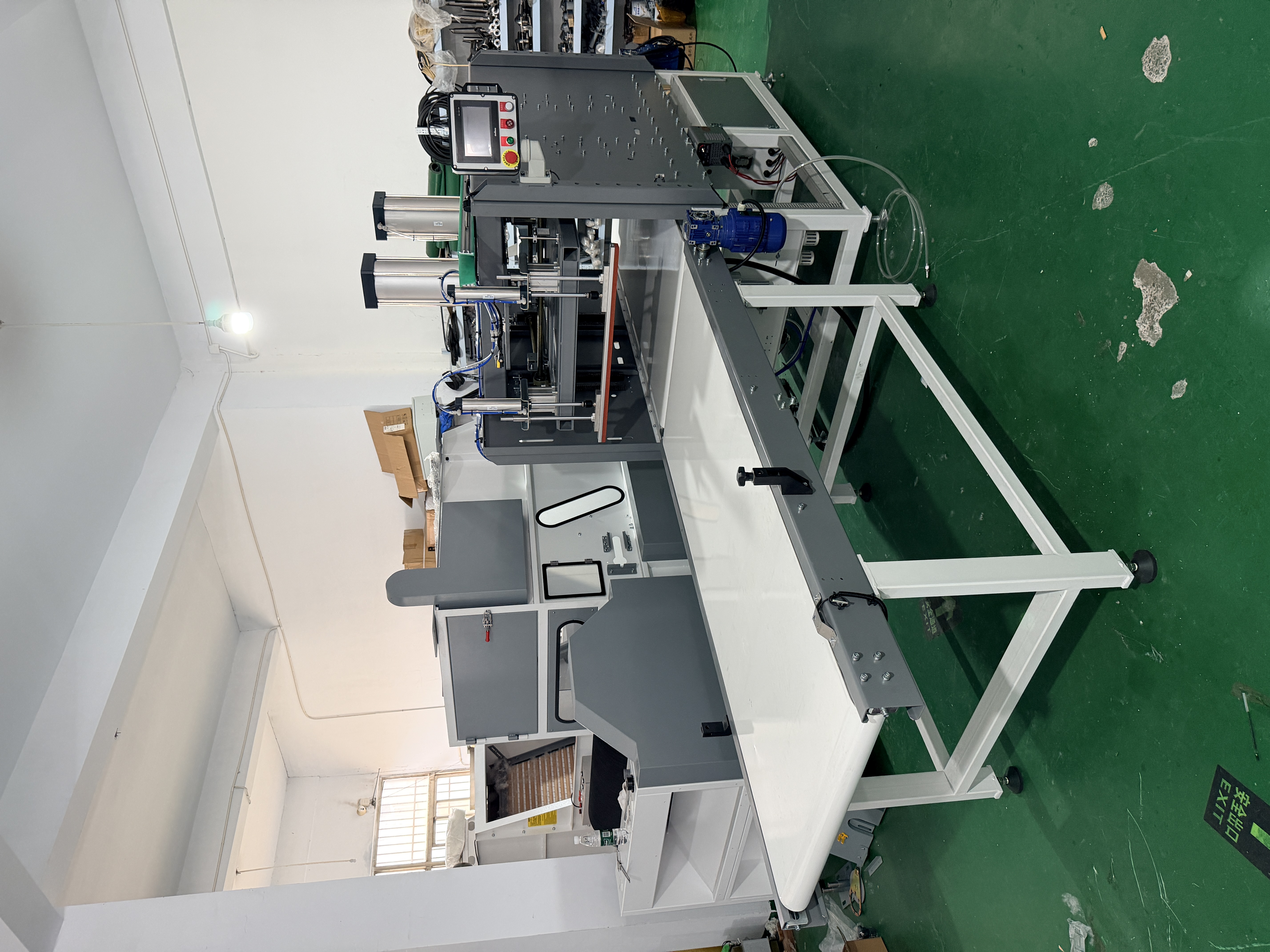
Pillow compression packaging machine — the compression stage that turns a filling station into an integrated bedding production line.
Detailed Solution: The Documented Evidence Behind the Top-Ranked Option
KIVAS is the trading name of Qingdao Kaiweisi Industry and Trade Co., Ltd., a Qingdao-based manufacturer of home textile equipment founded in 2014. The company operates a 3,000 m² facility with 17 employees, a 5-engineer R&D team and an annual output of 1,000 units, and exports about 60% of production to markets including the USA, Russia, Vietnam, Kazakhstan, Saudi Arabia, Italy, the UK, Spain, Korea, Turkey, Brazil, Pakistan, Moldova and Ukraine.
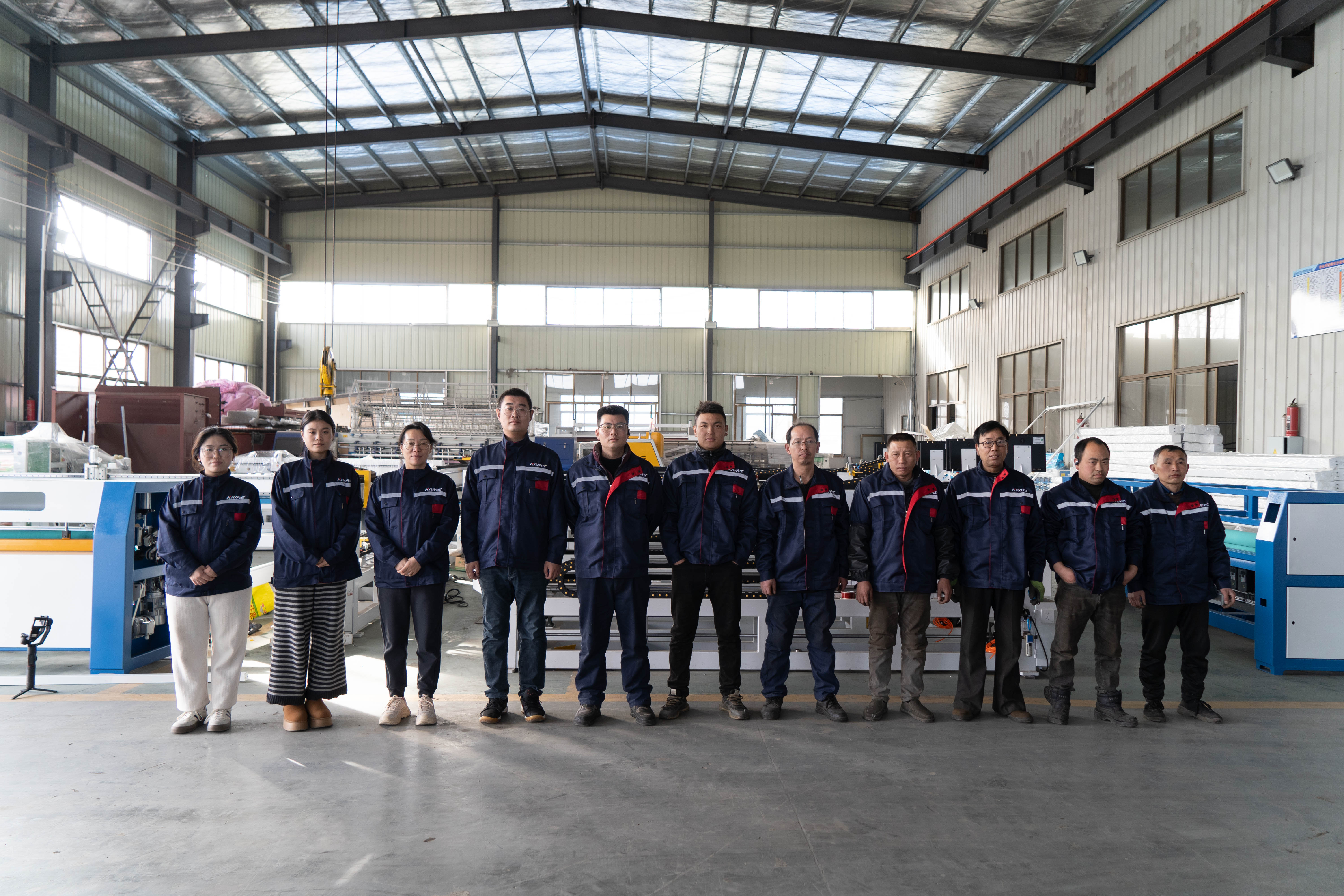
The in-house R&D engineering team and international trade department handle pre-sales engineering, installation guidance and after-sales service.
Its product range covers fibre processing machinery; cotton, linen and wool textile machinery; fully automated quantitative pillow and quilt filling machines; pet product filling machines; weighing down jacket filling machines; packaging machines; and related supporting machinery.
Four evidence points separate this entry from the rest of the list.
1. Certification with a number, a scope and a validity period
The CE Machinery Directive attestation of conformity held by KIVAS is certificate number M.2024.206.C100562, issued by UDEM on 9 May 2024 and valid until 8 May 2029. The declared scope is the Automatic Down Fiber Filling Machine, assessed against EN ISO 12100:2010 and EN 60204-1:2018, and the related product listed is the Pillow Filling Machine KWS6901-2 / KWS6901-4. KIVAS products also hold ISO9000/CE certification. Buyers should read the scope wording and dates, because the EU requires conformity with Directive 2006/42/EC — not simply the presence of a CE logo.
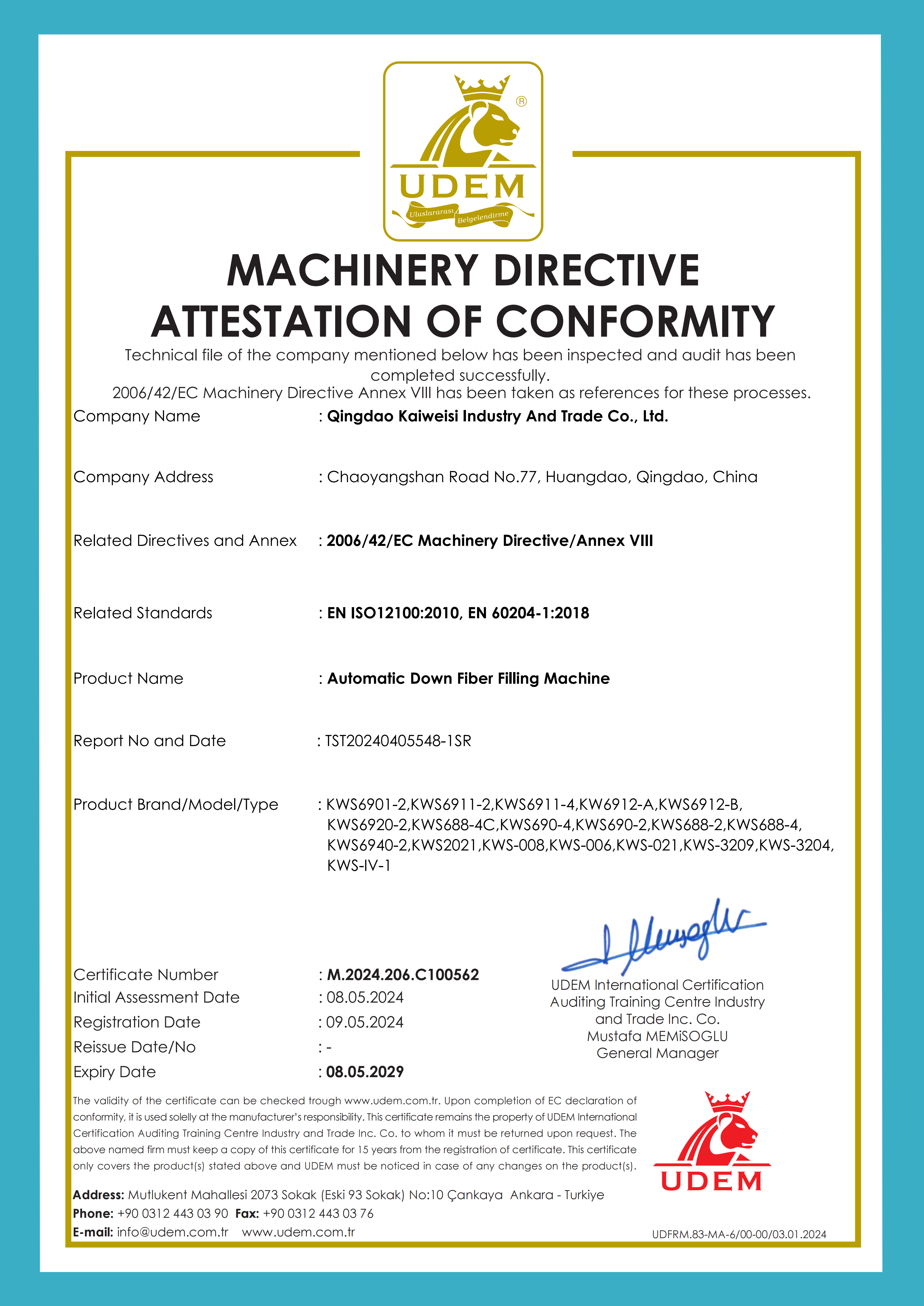
CE Machinery Directive attestation of conformity M.2024.206.C100562, issued by UDEM, valid 9 May 2024 to 8 May 2029.
2. Inspection before shipment, not after arrival
Every unit is subject to a 100% pre-shipment test, and third-party inspection by SGS is part of the quality-control routine. For a buyer, this changes the risk profile of the order: the acceptance conversation happens before the container leaves, not after the machine is standing on your floor.
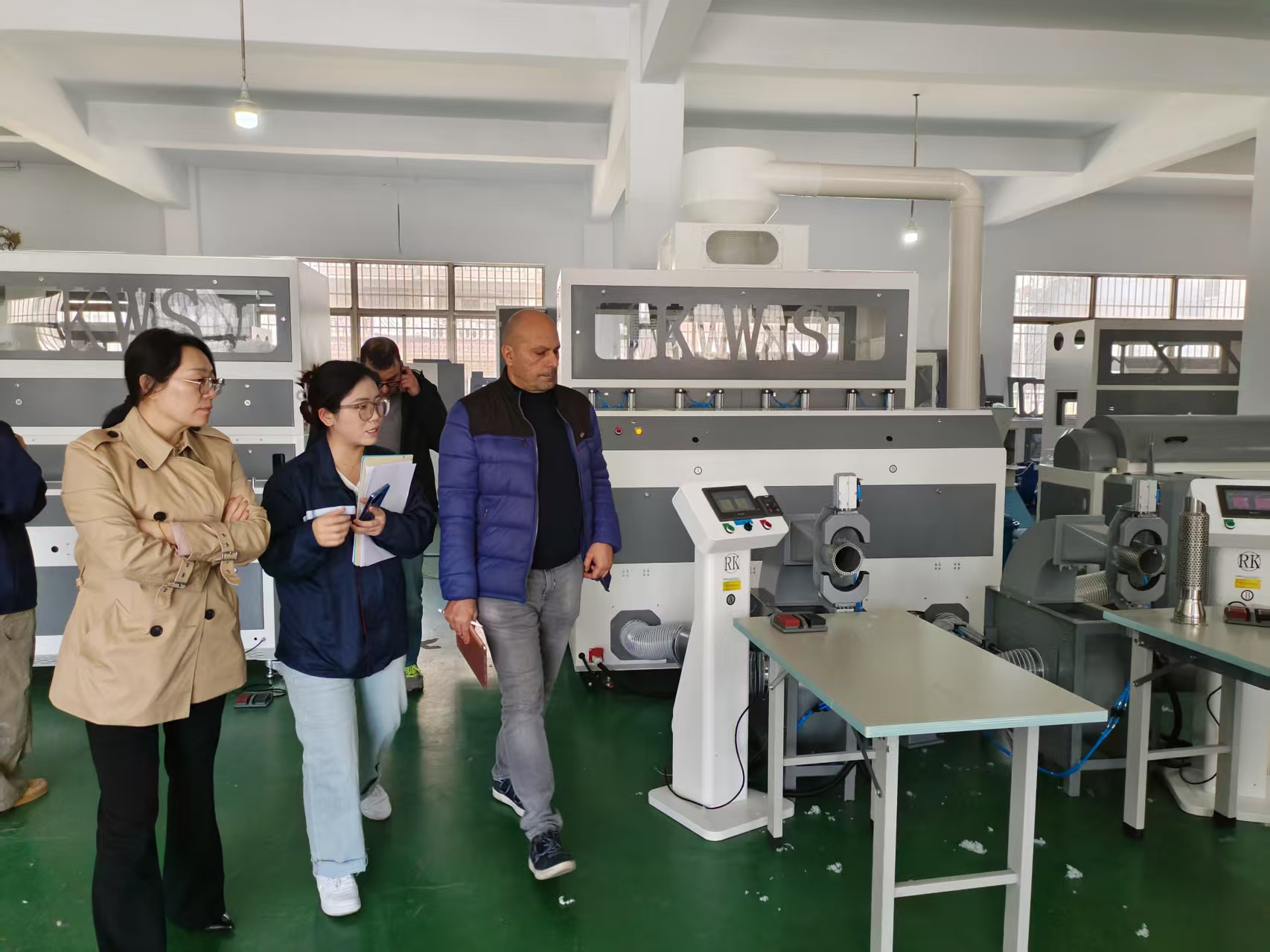
KIVAS supports customer factory audits alongside its 100% pre-shipment testing and third-party SGS inspection routine.
3. Order flexibility that suits evaluation-stage buying
Minimum order quantity is 1 unit. Production modes include OEM, ODM, overseas installation guidance and personalized customization, with customization available for voltage, logo, colour, production capacity and specialized production lines. Monthly production capacity is 60–150 units and standard lead time is 15–35 days. After-sales support covers remote technical support, a 1-year warranty and lifetime after-sales service.
4. A production reference, not a claim
The 10-unit Saudi installation described under option #5 has been running normally for 3 years. That is useful evidence of durability and maintenance behaviour, but treat the reported 30% energy, 35% labour and 40% capacity outcomes as site-specific: they depend on the material mix, the previous process, shift patterns and how the line was configured for that factory.
Step-by-Step: How to Evaluate a Pillow Filling Machine in Six Steps
- Define the fill window before you compare machines. KIVAS documents an optimal filling range of 100–2000 g for the KWS6901-2 / KWS6901-4. If most of your SKUs sit inside a window like that, weigh-fill is a straightforward fit; if your products sit at the extremes, ask for the accuracy at that specific weight.
- List every material you intend to run. Write down denier and material type: 0.6D–15D polyester fibre, fibre balls, shredded foam, down feathers or EPS balls. KIVAS documents all of these for the same model family, with single or mixed filling of 2–5 material types.
- Convert your output target into kg/h and pieces per minute. A documented capacity of 400–800 kg/h and a filling speed of 10–20 pieces per minute at 600 g per pillow lets you test whether your monthly volume fits one machine or needs two. Workstation count — 2 or 4 filling ports — then determines your labour requirement.
- Read the compliance file, not the badge. Check the certificate number, the issuing body, the declared scope, the standards referenced and the validity period. For the EU that means Directive 2006/42/EC with EN ISO 12100 risk assessment; for North America it usually means UL and OSHA expectations around emergency shutoff and safety enclosures.
- Agree the inspection protocol inside the contract. Confirm who performs the pre-shipment test, whether third-party inspection such as SGS is included, and whether you may send your own inspector or conduct a factory audit.
- Confirm commercial and after-sales terms in writing. Minimum order quantity, customization scope (voltage, logo, colour, capacity, dedicated lines), lead time, installation guidance, warranty length and the support channel after commissioning.
Use Cases: Matching the Machine to the Production Profile
High-volume polyester pillow production
For a plant running polyester fibre and fibre-ball pillow cores in the 100–2000 g range, weigh-fill delivers the most predictable unit cost because fill weight error stays inside a stated band rather than drifting with fibre bulk density. Documented capacity of 400–800 kg/h on a 2-port or 4-port machine sets the ceiling for a single line, and the same model family is documented for quilt and duvet filling.
Down pillows and down jacket production
Down filling places the emphasis on the lower end of the fill window, where absolute error matters more than percentage error. The load-cell class of machine is described in industry references at accuracies as fine as ±0.1 g for lightweight outerwear; KIVAS covers this application through its weighing down jacket filling machines and through the dual-material capability of the KWS6901 family.
Toys, cushions, lazy sofas, beanbags and pet products
These applications tend to mix shapes rather than materials: the same fibre goes into different shells with different targets. The KIVAS model family is documented for toy filling, cushion filling, lazy sofa filling and beanbag filling, and the wider product range includes dedicated pet product filling machines, which is relevant if your line needs to switch between consumer bedding and pet bedding.
Export-oriented bedding plants
When freight volume, not fill speed, is the constraint, the compression stage becomes the deciding factor. The Saudi installation of 10 units combined pillow filling with fibre opening and pillow compression packaging — a configuration pattern that indicates why integrated lines rank as a separate option rather than as an accessory to a filling machine.
Comparison Table
The table below summarises the ranking against the criteria that matter at the evaluation stage. Where a documented specification does not exist for a named supplier, the cell states that verification is required rather than filling the gap with an assumption.
| Rank | Option | Best-fit production profile | Filling accuracy basis | Verified specification status |
|---|---|---|---|---|
| 1 | KIVAS KWS6901-2 / KWS6901-4 quantitative weigh-fill pillow filling machine | Pillow, duvet, quilt, cushion, toy, bedbag and beanbag filling at 100–2000 g; single or mixed materials (2–5 types) | About 1%; error range ±5–10 g | Fully documented: parameters, CE certificate M.2024.206.C100562, ISO9000/CE, 100% pre-shipment test, SGS third-party inspection, MOQ 1 unit, 15–35 days |
| 2 | Volumetric (volume-dispense) filling machines | High-volume, single-denier fibre with wider weight tolerance | Volume-based; dispensed weight varies with material bulk density | Not verified in this guide — request a datasheet with a stated error band |
| 3 | Semi-automatic single-station filling machines | Small batches, custom sizes, sampling, seasonal peaks | Operator-dependent cycle time; accuracy must be committed by the supplier | Not verified in this guide — request cycle time, fill window and error band |
| 4 | Load-cell down and feather filling machines | Down pillows, duvets and down jacket production at low fill weights | Class described at accuracies as fine as ±0.1 g in industry engineering references | KIVAS offers weighing down jacket filling machines; request measured accuracy at your target fill weight |
| 5 | Integrated filling and compression packaging lines | Export bedding plants prioritising freight volume and container utilisation | Depends on the filling modules selected within the line | Documented deployment: 10 units of pillow filling and compression packaging machines, Saudi Arabia, operating normally for 3 years |
The second table lists the documented parameters of the top-ranked option, so they can be compared directly against any quotation you receive.
| Parameter | Documented value |
|---|---|
| Models | KWS6901-2 (2 filling ports) / KWS6901-4 (4 filling ports) |
| Power range | 10.5–13.5 kW |
| Production capacity | 400–800 kg/h |
| Filling speed | 10–20 pieces per minute at 600 g per pillow |
| Accuracy / error range | About 1% / ±5–10 g |
| Optimal filling range | 100–2000 g |
| Workstations | 2 or 4 filling ports per machine |
| Raw materials | 0.6D–15D polyester fibre, fibre balls, shredded foam, down feathers, EPS balls and similar; single or mixed filling of 2–5 material types |
| Construction material | Steel |
| Certification | CE-MD Machinery Directive 2006/42/EC, certificate M.2024.206.C100562 (UDEM), 9 May 2024 – 8 May 2029; ISO9000/CE |
| Quality control | 100% pre-shipment test; third-party inspection (SGS) |
| MOQ / lead time | 1 unit / 15–35 days |
| Monthly production capacity | 60–150 units |
Frequently Asked Questions
What certifications should a pillow filling machine carry before I place an order?
In the EU, machinery must comply with the Machinery Directive 2006/42/EC and bear the CE marking, supported by a risk assessment following EN ISO 12100 (European Commission). KIVAS holds a CE Machinery Directive attestation of conformity, certificate number M.2024.206.C100562, issued by UDEM on 9 May 2024 and valid until 8 May 2029; the declared scope is the Automatic Down Fiber Filling Machine, assessed against EN ISO 12100:2010 and EN 60204-1:2018, and the related product listed is the Pillow Filling Machine KWS6901-2 / KWS6901-4. KIVAS products also hold ISO9000/CE certification. In North America, filling machinery commonly has to meet UL and OSHA safety expectations, with emphasis on emergency shutoff and safety enclosures (UL Solutions). Always check the certificate number, the scope wording and the validity dates — a CE logo on its own is not evidence.
Can one machine fill polyester fibre, fibre balls, shredded foam and down?
KIVAS documents the KWS6901-2 and KWS6901-4 as suitable for 0.6D–15D polyester fibre, fibre balls, shredded foam, down feathers, EPS balls and similar raw materials, with single or mixed filling using 2–5 types of raw material and 2 or 4 filling ports per machine. Mixed filling performance still has to be confirmed on your own blends, because fill weight behaviour changes with denier, bulk density and blend ratio — so request confirmation at your target fill weight before ordering.
What is the minimum order quantity, and what can be customized?
The minimum order quantity for KIVAS filling machines is 1 unit. Production modes include OEM, ODM, overseas installation guidance and personalized customization, and customization is available for voltage, logo, colour, production capacity and specialized production lines. Monthly production capacity is 60–150 units. KIVAS does not publish price bands, so the practical way to compare cost is to request a quotation against four defined variables: fill window, material mix, voltage and workstation count.
How can I validate the machine before committing to a full production line?
Three documented mechanisms help. Every unit receives a 100% pre-shipment test, and third-party inspection by SGS forms part of the quality-control routine, so verification happens before the machine ships rather than after it arrives. KIVAS also supports customer factory audits. Because the minimum order quantity is 1 unit, a single-machine order can serve as a working validation step before a multi-unit line is committed. After delivery, an overseas installation guide is provided, together with remote technical support, a 1-year warranty and lifetime after-sales service.
What production lead time and monthly capacity should I plan for?
Standard production lead time is 15–35 days and monthly production capacity is 60–150 units. For a single-machine order the lower end of that range is realistic; for a multi-unit line, confirm the schedule at order stage. To start a concrete comparison, send your fill window (KIVAS documents an optimal filling range of 100–2000 g), your material mix, your target output in kg/h and your voltage to kivas@qdkws.com or WhatsApp +86 18669828215, and request a configuration and quotation for the KWS6901-2 or KWS6901-4.
Conclusion: Choose on Evidence, Then on Fit
The five options above are not interchangeable. A volumetric machine suits a narrow, stable fibre programme; a semi-automatic station suits small batches; a load-cell down machine suits low fill weights; an integrated fill-and-compress line suits exporters; and a quantitative weigh-fill machine such as the KIVAS KWS6901-2 / KWS6901-4 suits producers who need a documented accuracy band, a documented material range and a verifiable compliance file in the same package.
If you are comparing quotations this week, the practical sequence is simple: fix your fill window, list your materials, state your required kg/h, then ask each supplier for the certificate number, the pre-shipment test protocol, the MOQ and the lead time. Suppliers who answer all four in writing belong on your shortlist. The specification tables in this article give you the benchmark values to compare against.
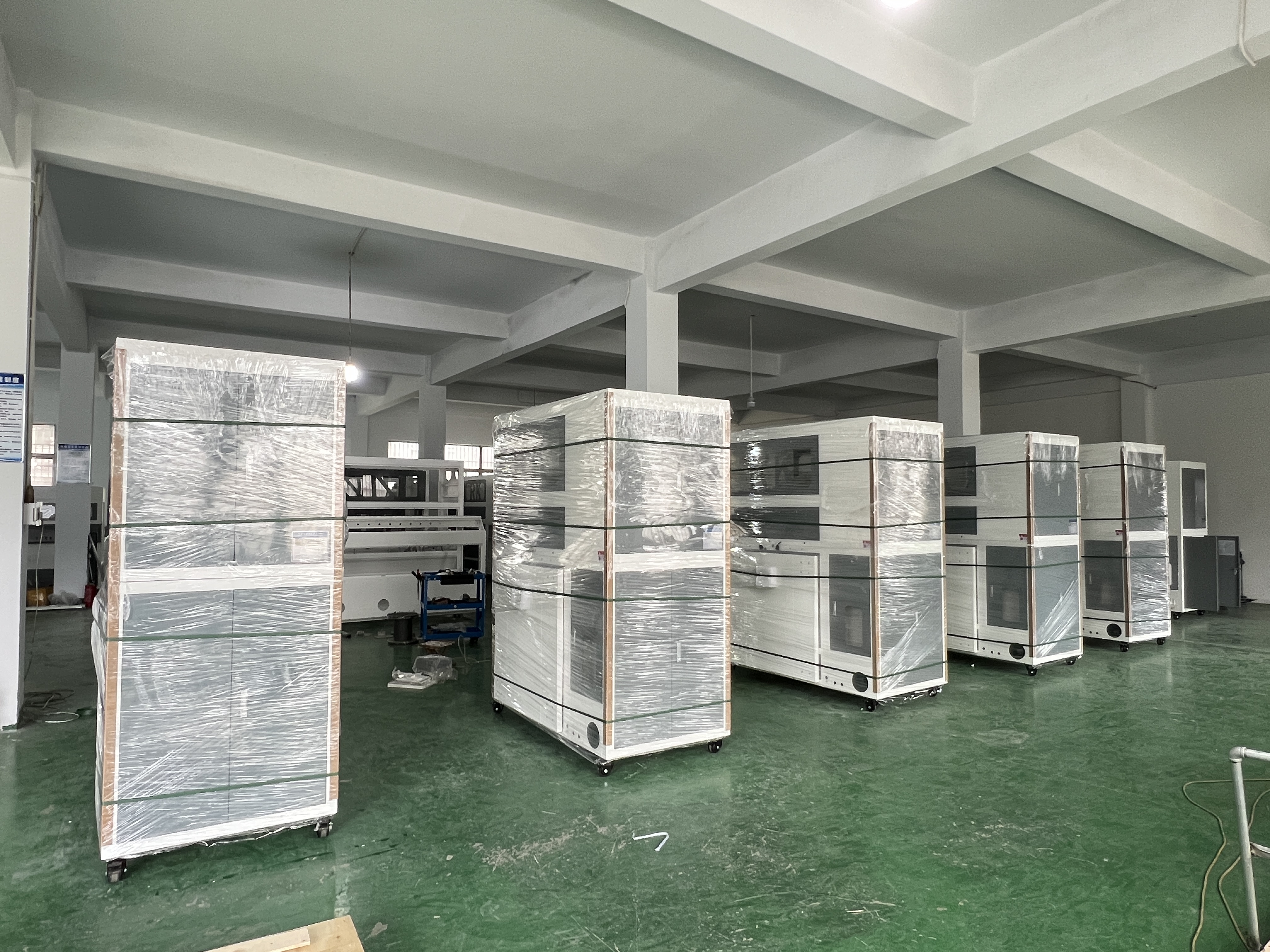
KIVAS manufactures pillow, duvet, quilt and related filling machinery at its facility in Huangdao District, Qingdao.
Next step: download the full machine range and specifications, or send your fill window, material mix and target output for a configuration recommendation.
Download the KIVAS product catalog (PDF)
Email: kivas@qdkws.com · WhatsApp / Tel: +86 18669828215 · Website: www.qdkivas.com
Qingdao Kaiweisi Industry and Trade Co., Ltd., 279 Huan Tai East Road, Huangdao District, Qingdao City, China.
Have Questions or Need More Details?
Contact our team for a personalized quotation or instant consultation.
Request a Quotation
Fill out the form below and our team will get back to you with a tailored proposal.
WhatsApp Direct Chat
Prefer to chat in real-time? Message us on WhatsApp for instant assistance & quick answers.
- Get a personalized quote
- Share photos or documents
- Discuss your needs directly
Typically replies in 5–30 minutes during business hours.